

In 1948-49, Henri Cartier Bresson travelled to China on assignment for Life magazine. He spent five months photographing the Kuomintang regime and witnessed first hand the Communist take over. After another six months he left China by boat from Shanghai to the then British colony of Hong Kong. “From One China To The Other” is a compilation of photos he took during this historic trip.
Han Suyin writes in the preface for the book: “All humanity deems itself worthy to partake equally of the wealth of this rich world of ours.” I think this phrase alone captures the essence of the book and that period in history when extreme levels of human inequality were corrected. The corrupt Kuomintang rulers in the cities were displaced by peasant soldiers and students.
The photos below were taken from the six sections titled: The Celestial Empire, From day to day, The last days, Interregnum, Celebrations and planning, Departure. It shows a steady progression from everyday “normal” life to one that is highly politicised. The only conflict shown is the aftermath of aerial bombing of Communist captured / liberated areas. I chose these photos because they show a good contrast between the China of the Kuomintang and of the Communist.
All the photograph captions were written by Henri Cartier Bresson.

About eight days before the departure of the Kuomintang troops and the arrival of the People’s Army, life in Peking goes on peacefully. A street trader is delighted to meet a friend who has just bought a length of cotton material. Respect, benevolence and calm, virtues which the Chinese are unwilling to lose in any circumstances, are practised on the eve of one of the greatest changes in China’s long history.

The Tai-miao gardens, temple of the imperial ancestors, near the former Palace of the Emperors. Every morning at dawn, and even earlier, men came to practise sabre exercises and to do Chinese gymnastics. The movements have a spiritual or mental as well as physical object, and are designed to give mastery of both mind and body.
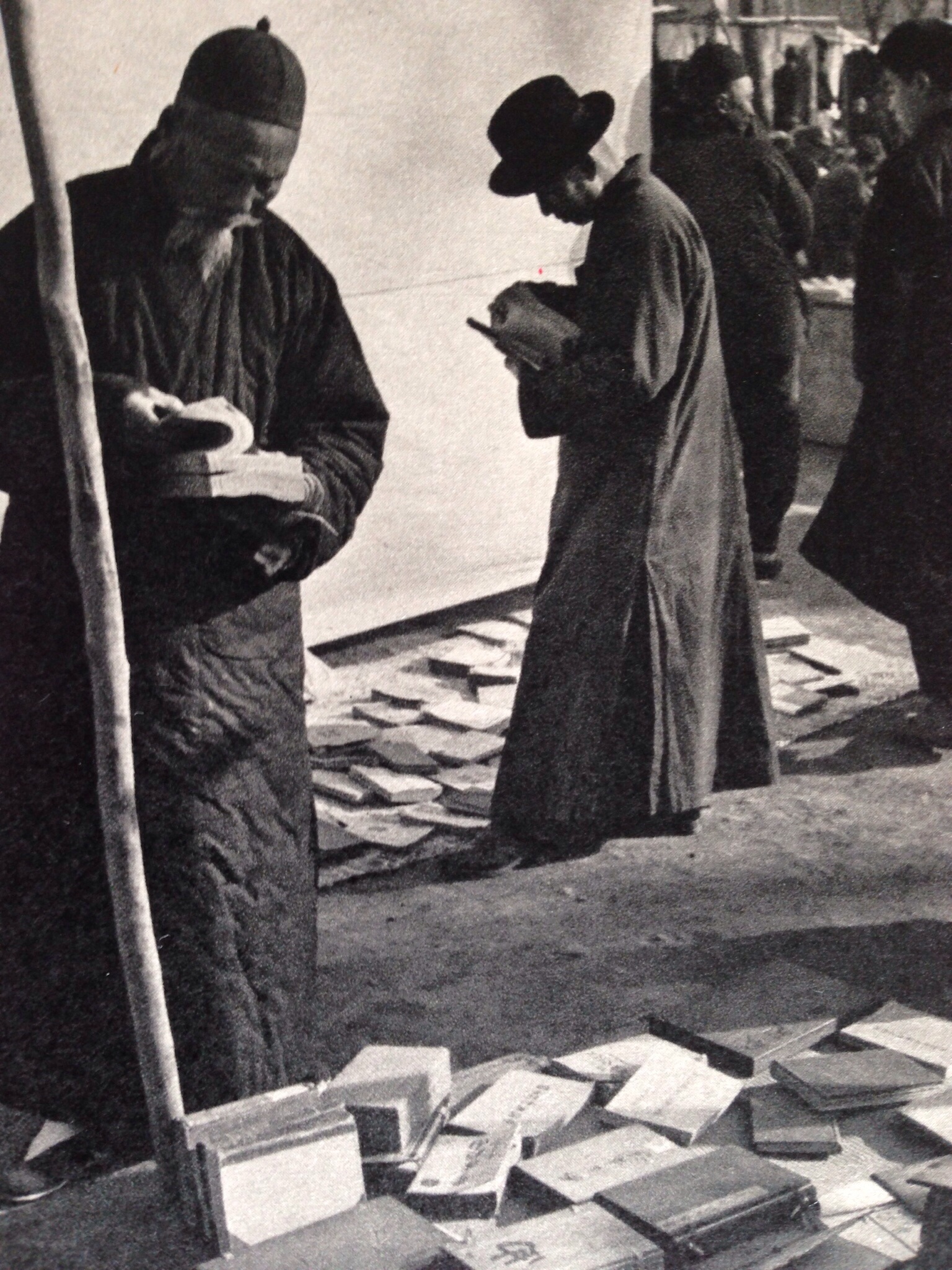
Booksellers of the Peking “flea market”. A gramaphone plays an old Viennese waltz while collectors search for rare books. Peking has been one of the principal cultural centres of the world for many centuries.
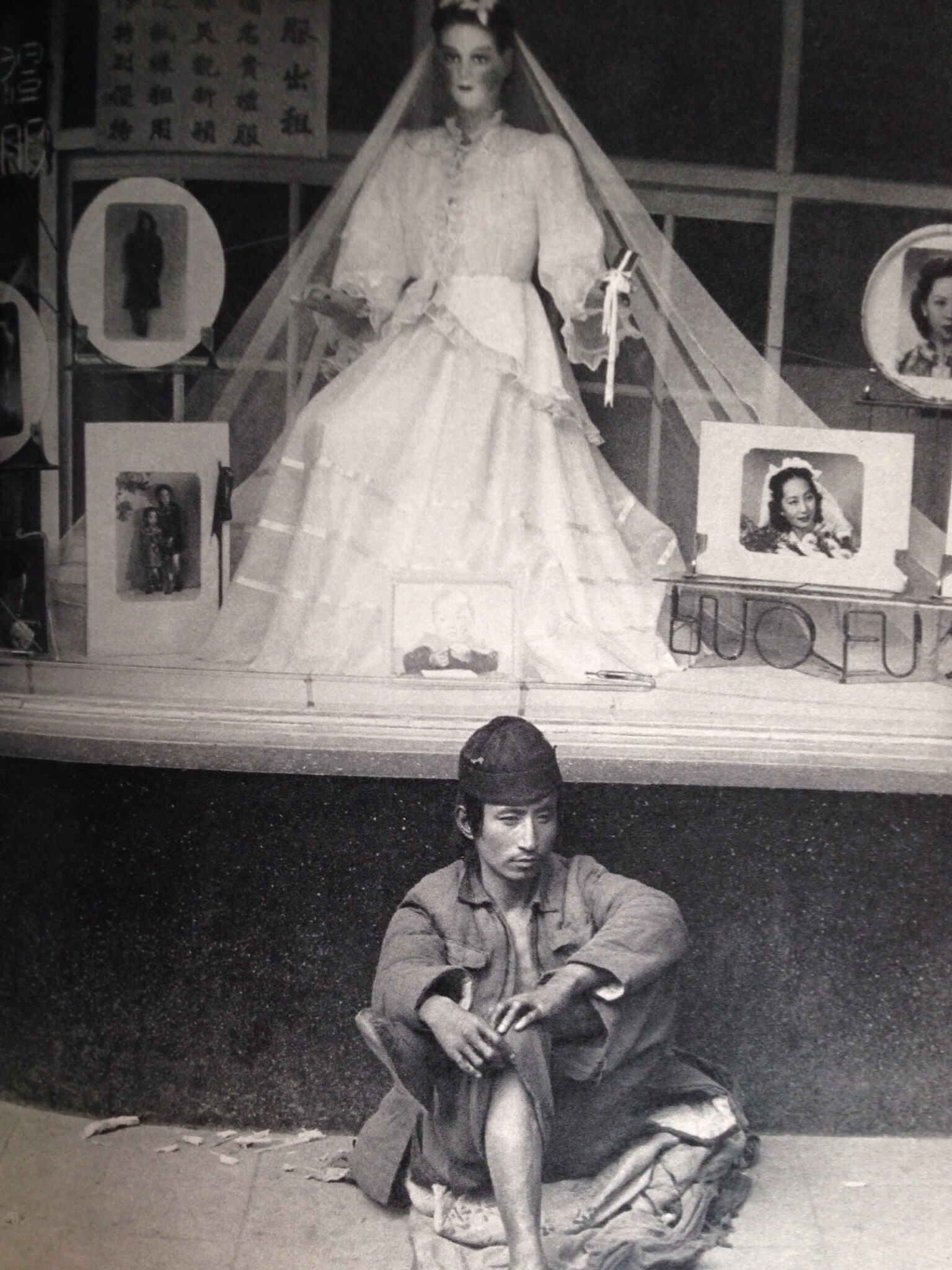
This photographer also sells ceremonial clothes, advertised by neon letters. Below the shop sign his goods are advertised in the following terms: “My ceremonial garments, the very latest, are very precious. You will give me pleasure if you come in and try them on. My prices are very reasonable.”

General Ma Hung-kwei came to Nanking, Kuomintang capital, every year to meet Marshal Chiang K’ai-shek. The first syllable of his name, Ma, means horse, a very common name designation among Chinese Moslems. Behind him, carefully written, are some old ryhmed precepts: “A good general should occupy a splendid place in history. He should be praised during a hundred generations. He should be full of care for his men and also for his people.” General Ma was the big war lord of Northwest China. His secretaries were dressed as hospital nurses. He adored ice cream and always had bucketfuls handy, and offered to his guests. Shortly after this photograph was taken, General Ma was abandoned by his troops.

Eight o’clock in the moring at the Imperial Palace in Peking. Ten thousand recruits, mobilized principally from the ranks of small traders, line up to form a new Nationalist regiment.

Shanghai, December 1948. The gold rush. Enormous lines form outside the banks, on the Bund, and overflow into the neighbouring streets, dislocating all traffic. About ten people were crushed to death. The Kuomintang had decided to distribute some of the gold reserve, at the rate of 112 ounces per head. Some people waited for more than twenty-four hours trying to get rid of paper money. Order was more or less maintained by soldiers equipped with odds and ends deriving from all the various armies which in the past fifteen years, have played a part in Chinese history.
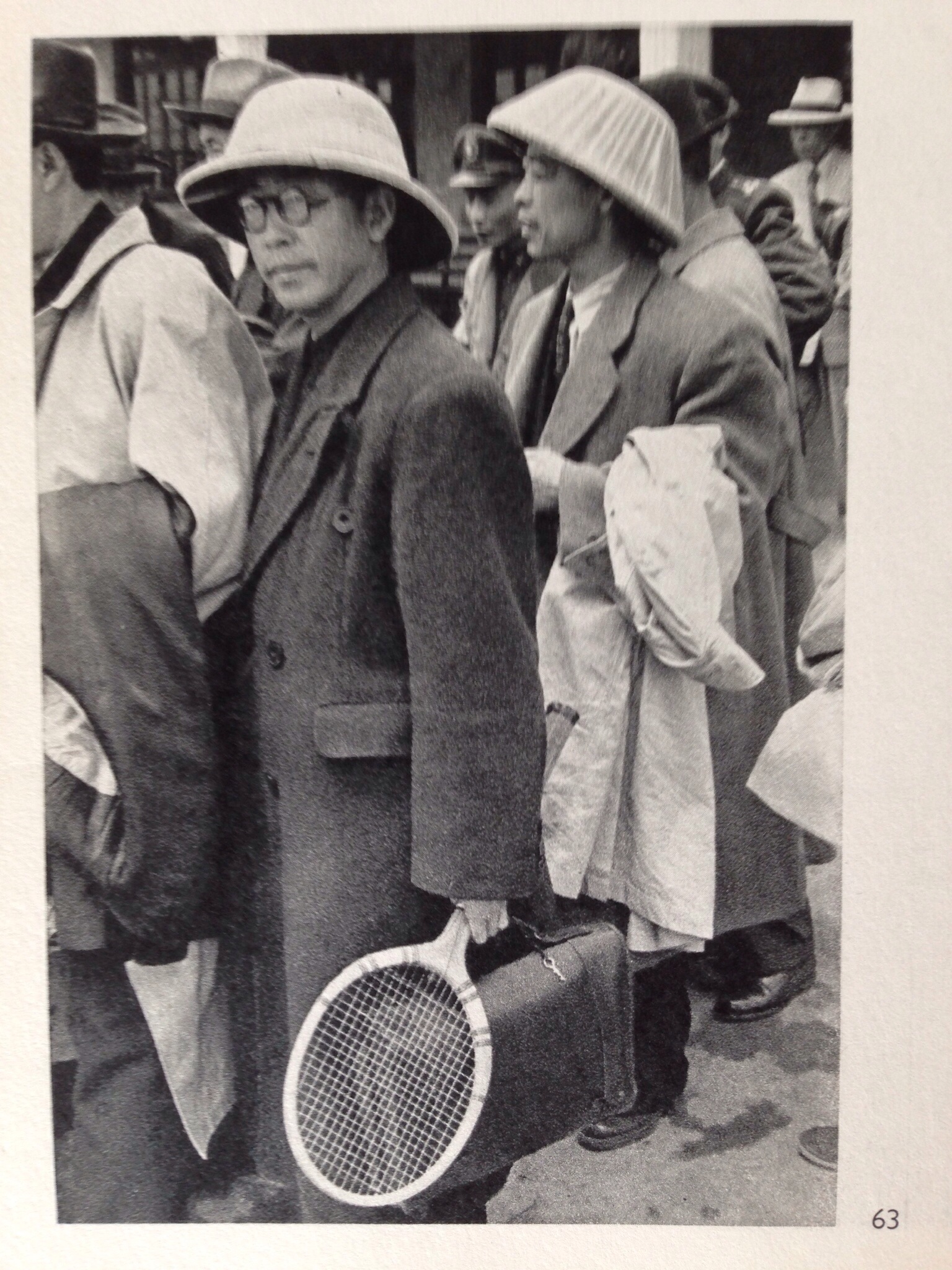
High officials about to take off by plane for Formosa. The tennis racket looks more like a holiday departure.
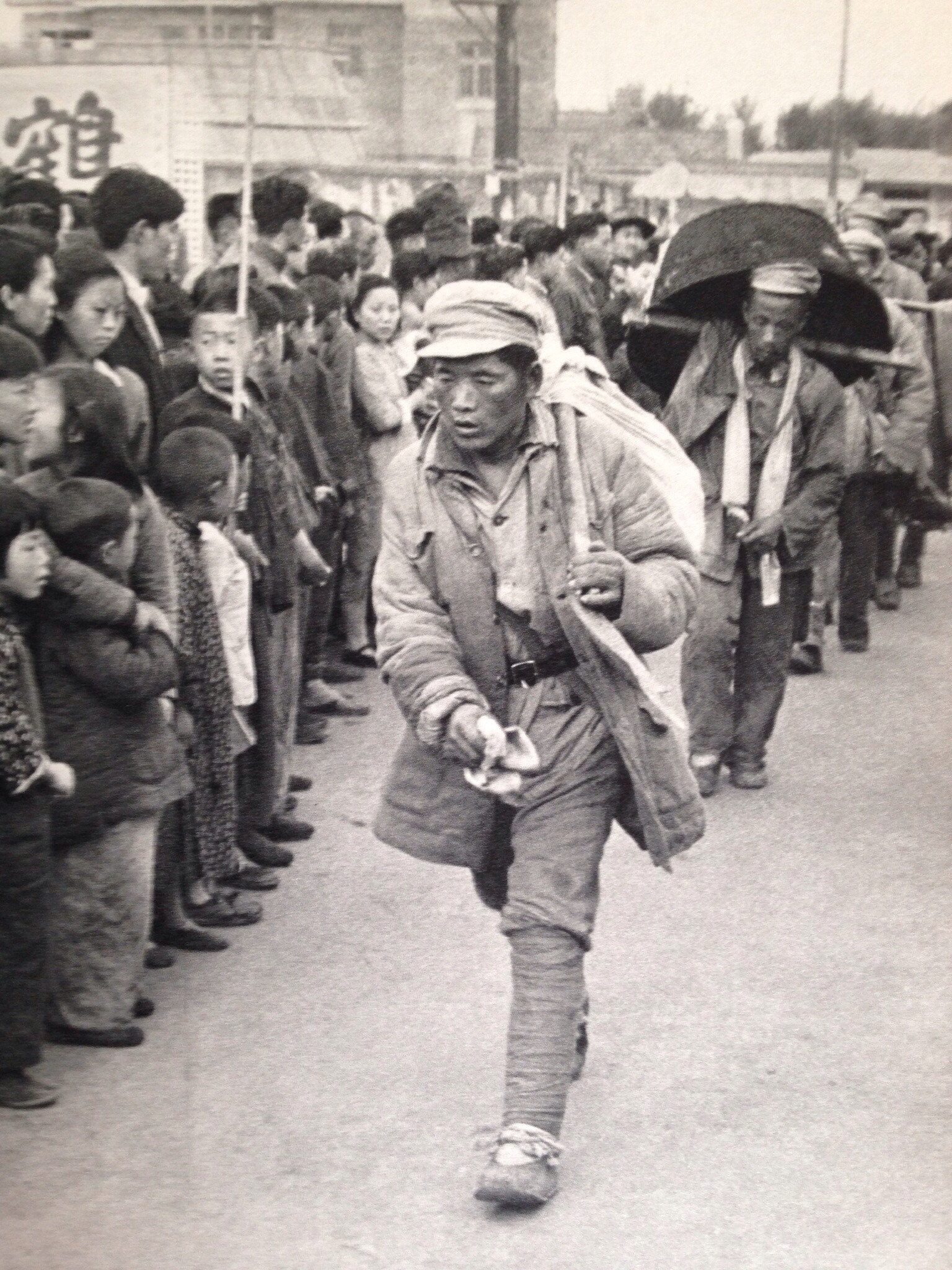
The first soldiers arriving in Nanking on foot. They are cheered, but at the same time regarded with good deal of anxious curiosity. In China, a soldier has always been considered a looter, living off the country, for which reason the military profession is greatly despised.
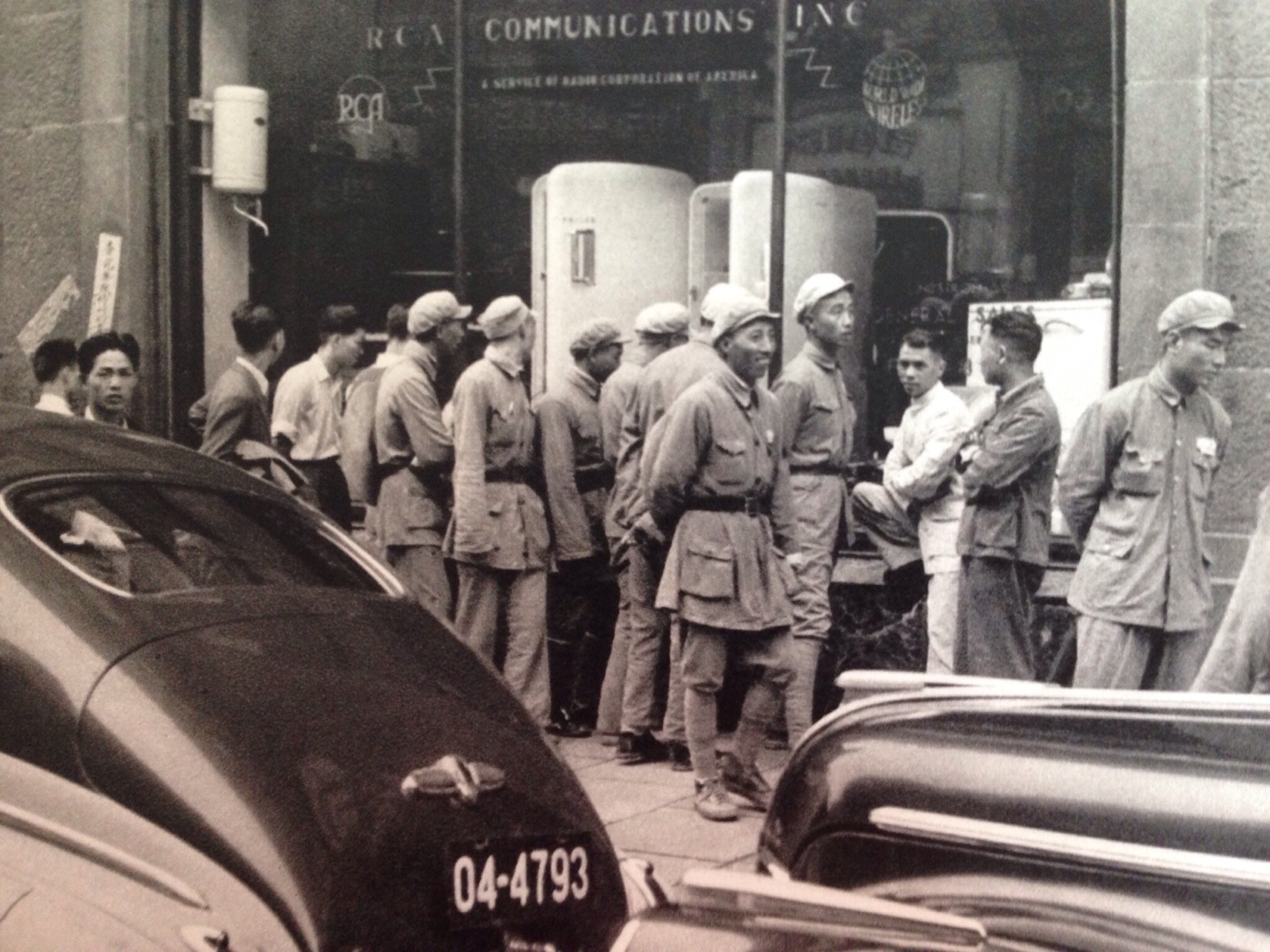
The soldiers of the People’s Army were almost all peasants. They had never seen refrigerators and were surprised at the sight of them in Shanghai.

After the taking of Shanghai there were so many parades and meetings that they almost overlapped. Here is the celebration of the official entry of the army into Shanghai on August 1, 1949. A Union delegate holds an enlarged copy of the new paper money. The processions were used to publicize the problems of the hour. The ceremony had been planned for July 5 but in the face of the Kuomintang threat to bomb it from the air, it was postponed to the 6th.

Aboard ship. A group of Europeans and Americans who had long been resident in Shanghai.
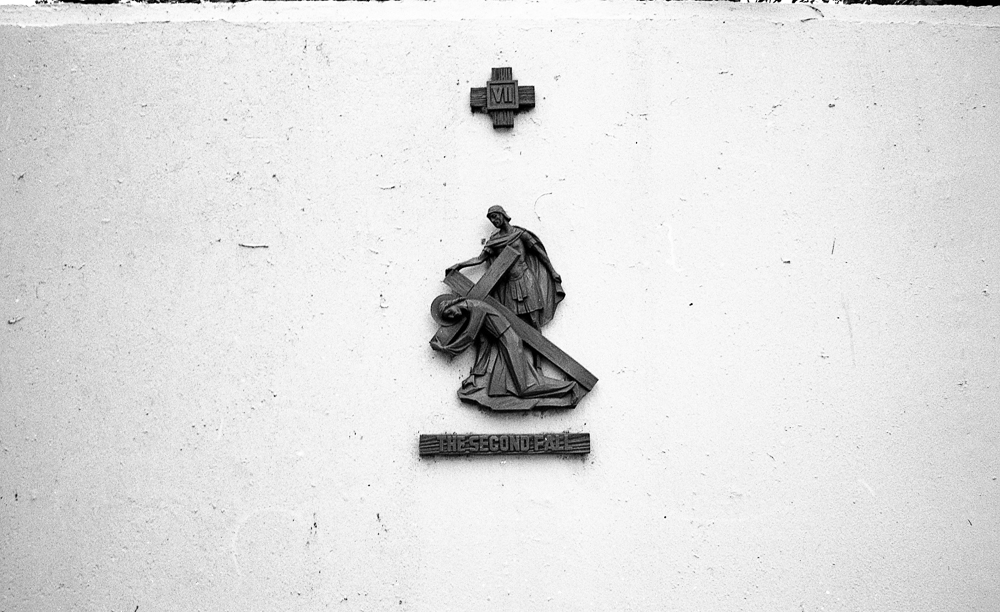
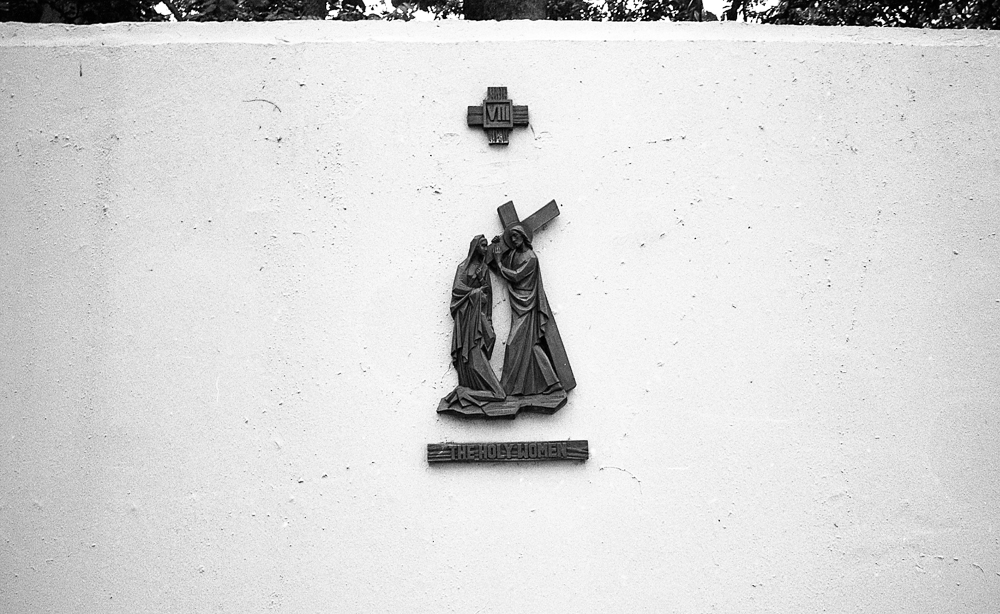
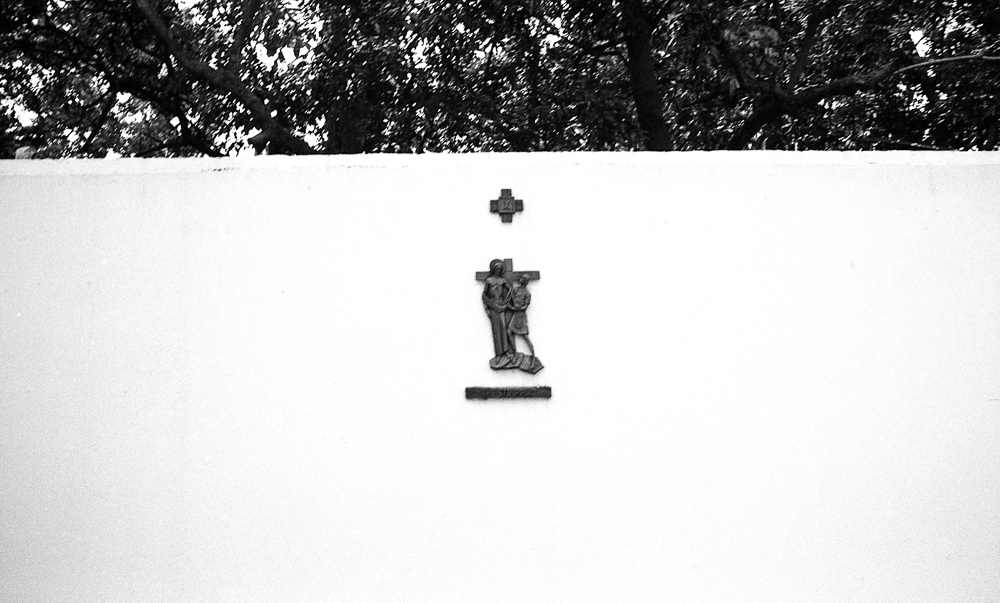
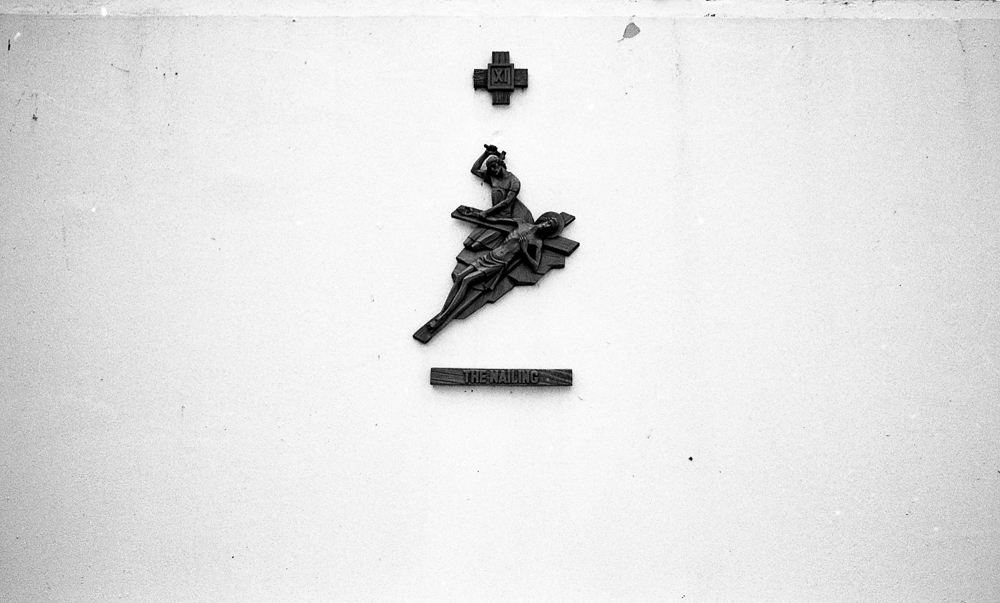
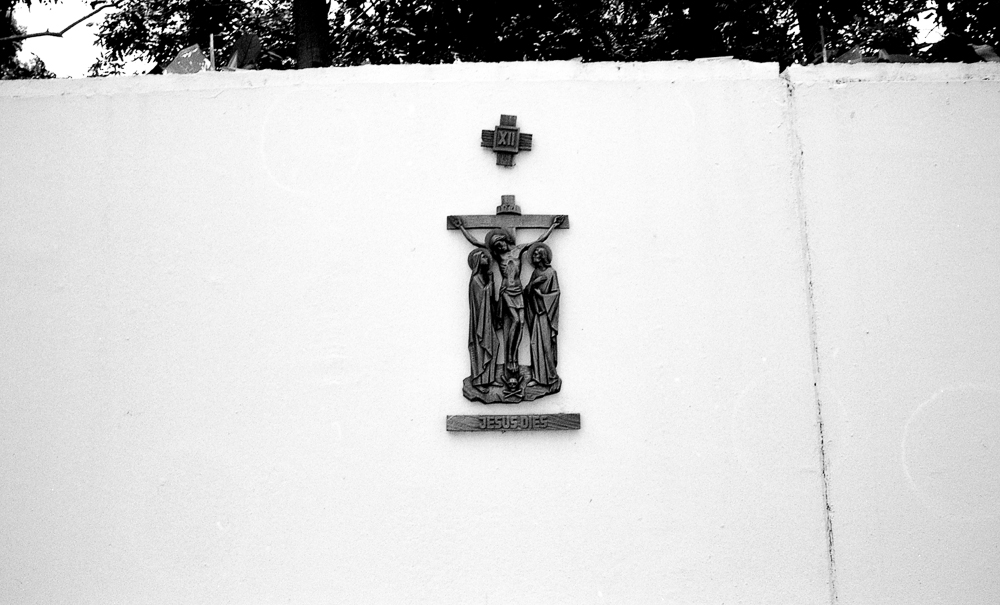
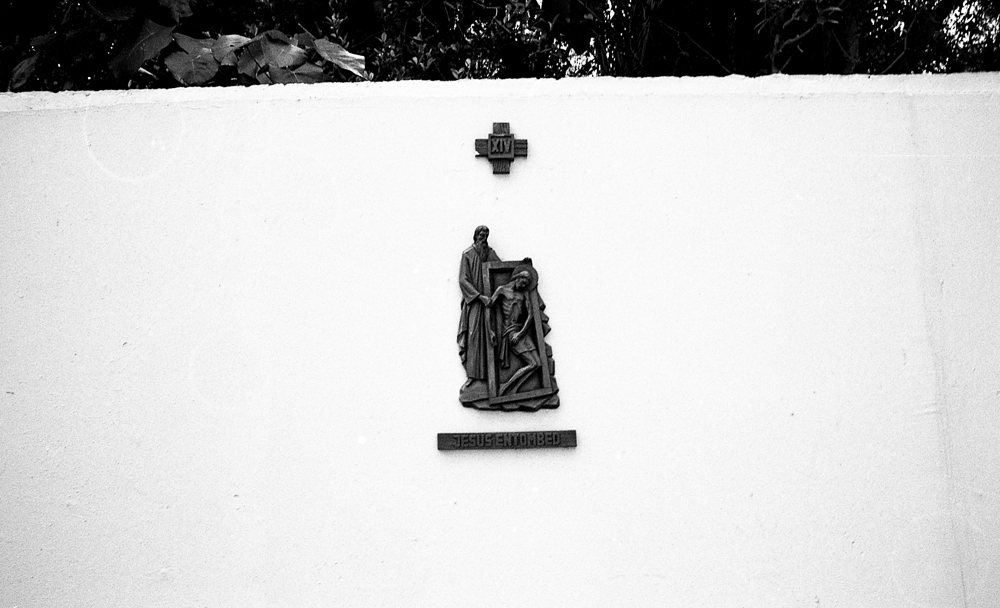
I found another new film to love. I don’t know about you but I can stare at that white wall all day. It’s weird how the wall seems to get cleaner as the series progresses. By the time it gets to XV it is nearly pristine. I tried to take the photos all at equal distance but was pushed back by some hedges in a few of the frames. Took these at a retreat I went to a week ago. Happy Palm Sunday!






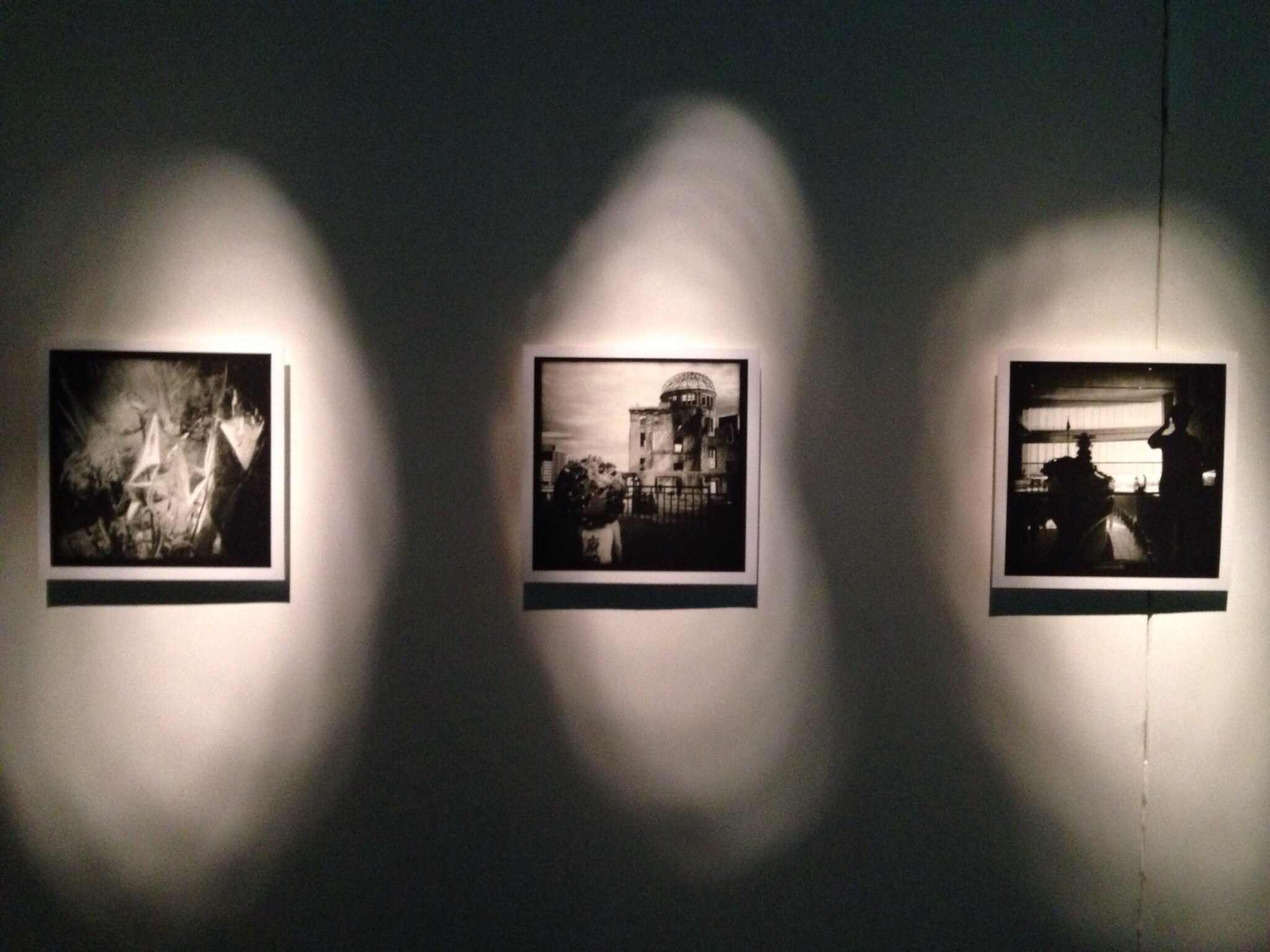
The trend of increasingly high quality photo exhibitions in Hong Kong continues with these two new shows. The first set of photos are from Vincent Yu’s Hiroshima vs Japan 311 (Soliloquize) at Jockey Club Creative Arts Center. It’s a touching tribute to the twin nuclear atrocities of WWII and more recently the 311 Japanese earthquake and tsunami. Departing from his usual photo journalist practice of using a Canon 5D MKIII, all the photos here were taken with the Hipstamatic app on an iPhone. According to Vincent his carefully composed images were actually taken very rapidly. Also unique to this exhibition is the handmade spot lighting which was completed in the early morning hours on opening day. Whereas the photos from Hiroshima are shown as prints the 311 photos are shown in video slide show format. The pace of the slide show is brisk mimicking Vincent’s working method.
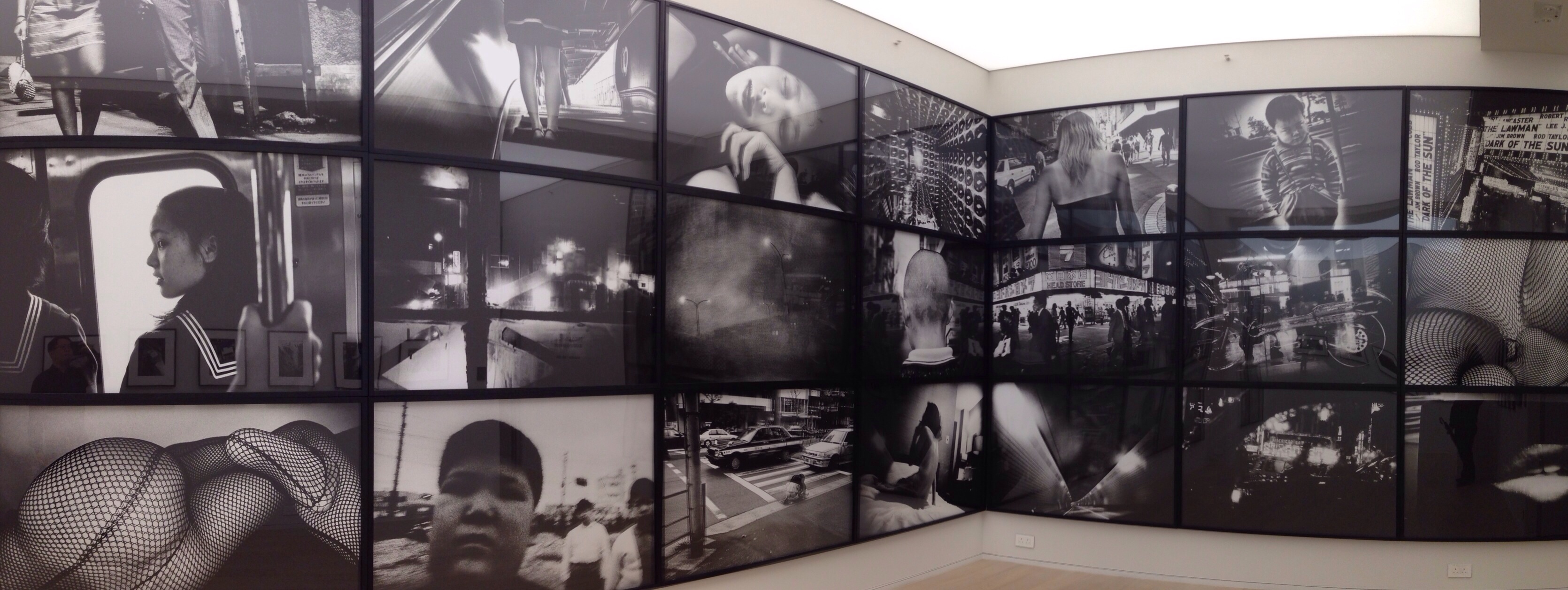
The second exhibit is Daido Moriyama’s Searching Journeys show at Simon Lee Gallery. In contrast to Japan 311, Searching Journeys is in a big ambient light filled space. Most of the works on display are large prints from black and white film negatives arranged into two massive walls. These photos show normal everyday life in Japan free from any reference to war or disasters. It’s Daido street photography at it’s best. There are a few rare colour photographs also shown but they are dwarfed by the much larger and more well known B&Ws. Being in the gallery surrounded by these large prints is like being inside Daido’s recent photobook Labyrinth. Here you have the luxury of walking right up close to the print and staring at the photo grain if that is your kind of thing.




 Adventures in Photography