
Violinist
Reply
Olympus OM-D E-M5: 1/80 sec @ f/3.5, ISO 320

Fujifilm FinePix X100: 1/80 sec @ f/3.6, ISO 320
Leica M9: 1/90 sec @ f/3.5, ISO 320
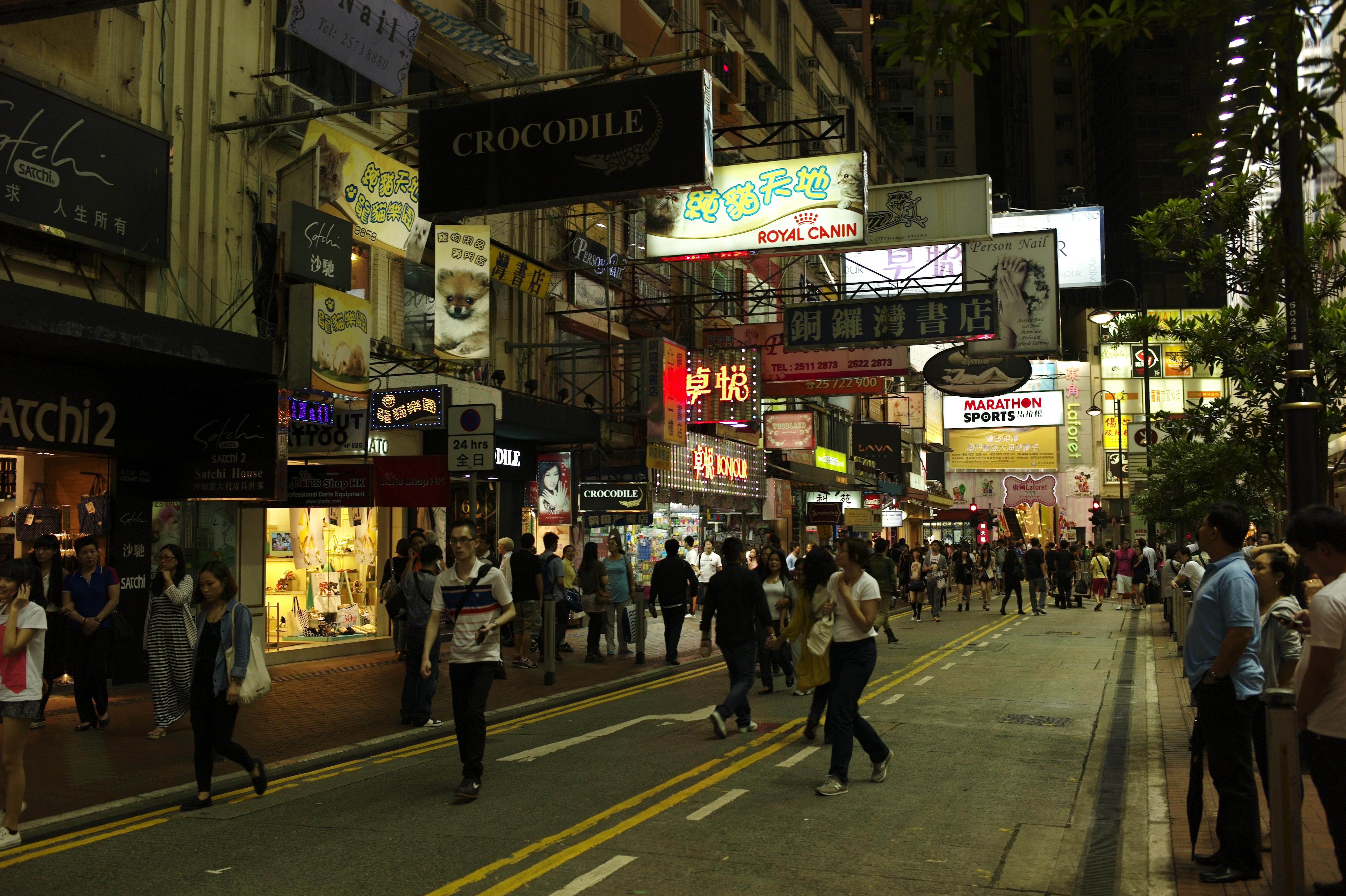
Olympus OM-D E-M5: 1/125 sec @ f/3.5, ISO 1600

Fujifilm FinePix X100: 1/125 sec @ f/3.6, ISO 1600
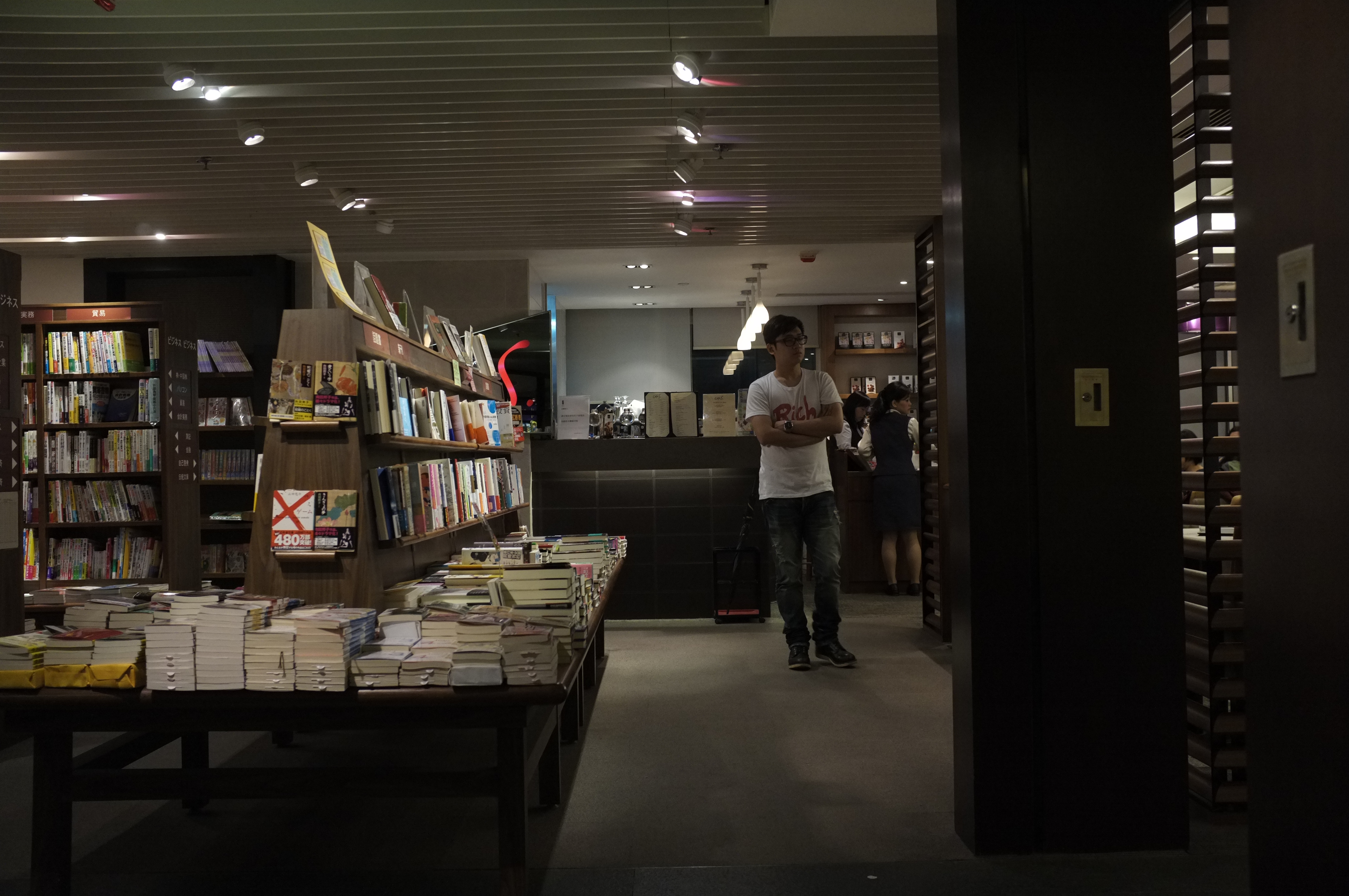
Olympus OM-D E-M5: 1/125 sec @ f/1.7, ISO 1250

Leica M9: 1/125 sec @ f/1.4, ISO 1250

Olympus OM-D E-M5: 1/30 sec @ f/1.7, ISO 1250
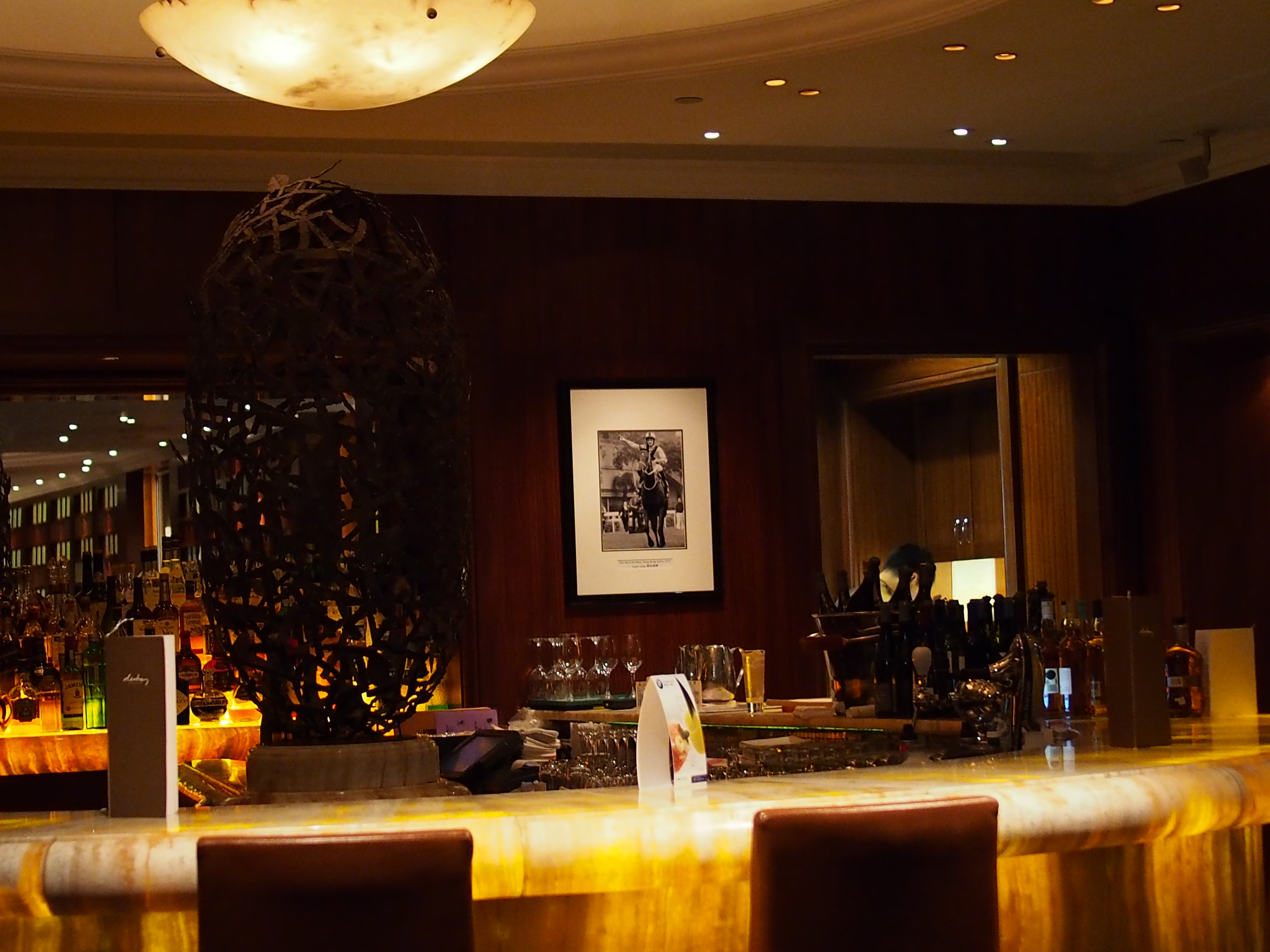
Leica M9: 1/30 sec @ f/1.4, ISO 1250


Olympus OM-D E-M5: 1/125 sec @ f/3.5, ISO 1000

Fujifilm FinePix X100: 1/125 sec @ f/3.6, ISO 1000

Leica X1: 1/125 sec @ f/3.5, ISO 1000

Leica M9: 1/125 sec @ f/3.5. ISO 1000

Olympus OM-D E-M5: 1/60 sec @ f/3.5, ISO 400

Fujifilm FinePix X100: 1/60 sec @ f/3.6, ISO 400

Leica X1: 1/60 sec @ f/3.5, ISO 400

Leica M9: 1/60 sec @ f/3.5, ISO 400

Thanks to Ken K. for helping out with this comparison post!


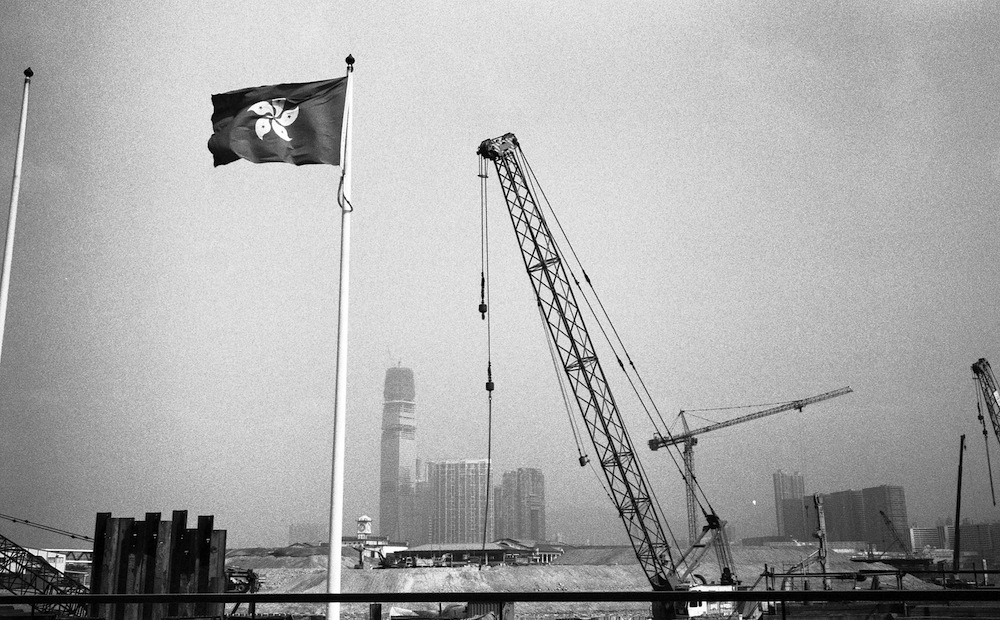
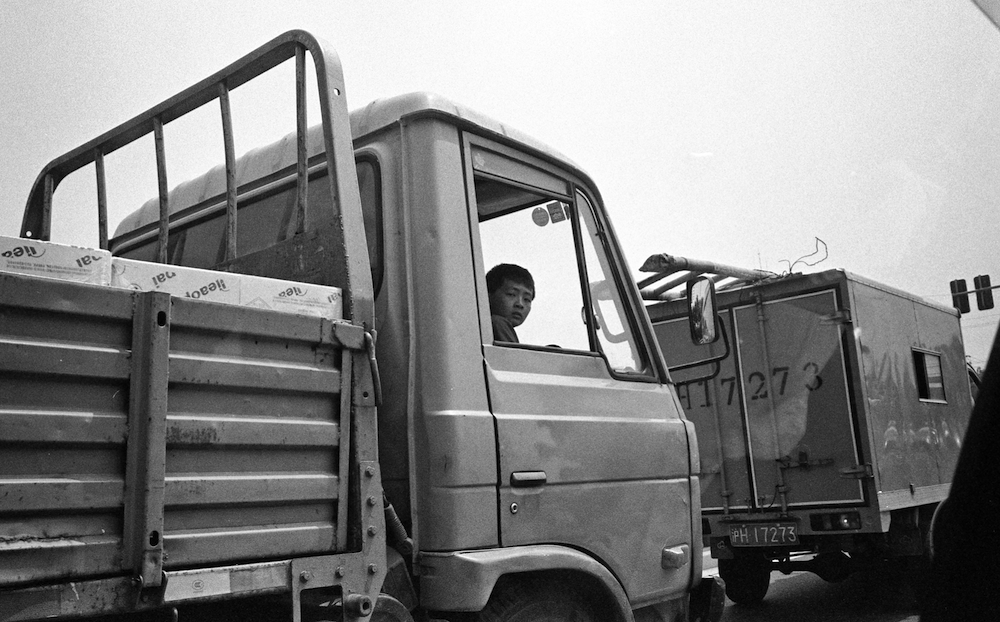
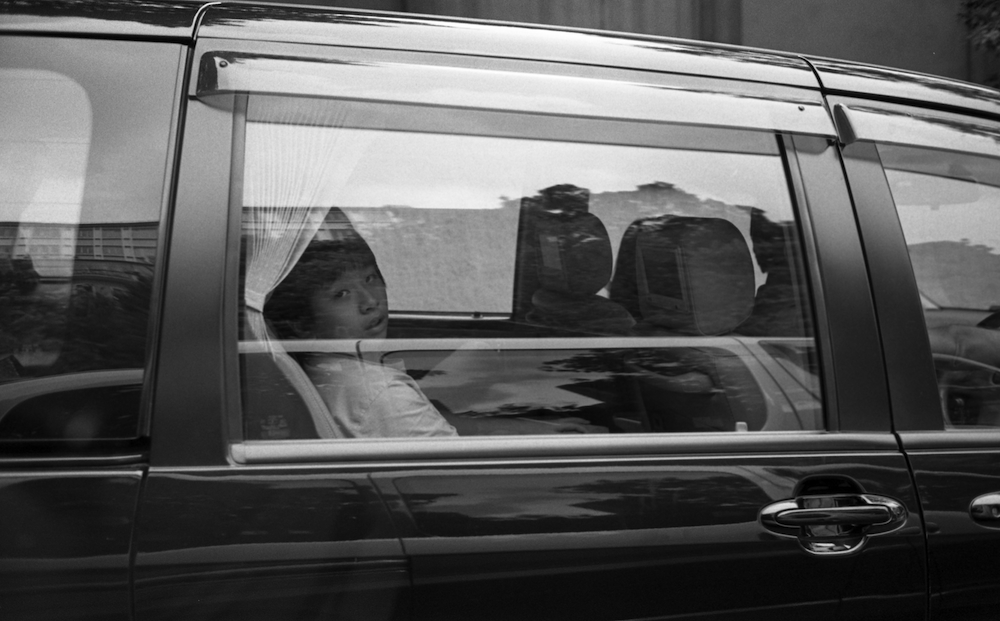
The first shot was taken on a highway on the way to Pudong Airport near Shanghai. The boy in the truck smiled and waved after the shot was taken. The second shot was taken in Hong Kong near the Happy Valley race course.

Having recently learned about Elger Esser through reading “Dusseldorf School of Photography” I decided to buy the photo book of Esser’s exhibition “Eigenzeit” which means “proper time” in German. The term refers to the physical phenomenon of time dilation which is put forward in Einstein’s theory of general relativity. The most famous example of time dilation is the hypothetical one of the twins, where one stays on earth and the other one rockets into space at the speed of light. When the space travelling twin returns to earth he finds his brother aged considerably while he himself has aged very little. Each experiences time differently and lives according to their own clocks.
The forward written by Groos and Schimpf effectively describes Esser’s photography in relation to the time dilation principle as does the various essays in the book. In summary, the authors’ views is that Esser’s photos of historical landmarks and scenes evoke a sense of timelessness so that the viewer is unsure whether the photos are taken yesterday or hundreds of years ago. According to the text this feeling is enhanced by the special processing technique that Esser employs. This is made all the more interesting and subtle when you look very closely at the “Combray” and “Vedutas” photos to find clues of modernity. A power line over an old bridge or the a very distant sky scrapper along an otherwise historic view of the Seine River in Paris.

The book is divided into six sections with each part being comprised of an essay followed by one fold out double spread photo which starts the series of photos under the same theme. This format is very well thought out since Esser’s photos really benefit from the larger printing. Too bad there are only six of these spreads in the book. The photos in the “Wrecks” section portrays hand colored black and white photos of ships run aground. Personally, I find the “Wrecks” photos a little too contrived. In contrast the “Views” photos are also hand colored but feel less contrived and more authentic. The photos are blown up to such a large size that the grain in the film become like pointillist dots. It would be amazing to see these photos as larger prints.
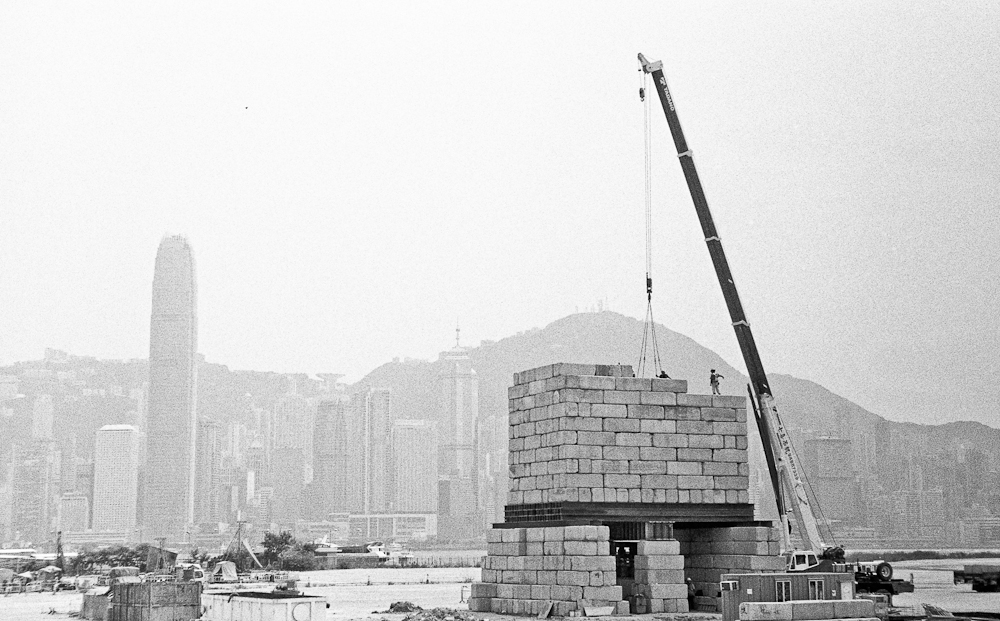
Photography is like a puzzle. Images can be taken days, weeks, months, years apart yet fit together. The first image was taken from the Old Bank of China building with City Hall (the short modernist structure) in the foreground on the right. Second image was taken from the waterfront side of City Hall with a glimpse of the bamboo-like New Bank of China building in the top left hand corner.

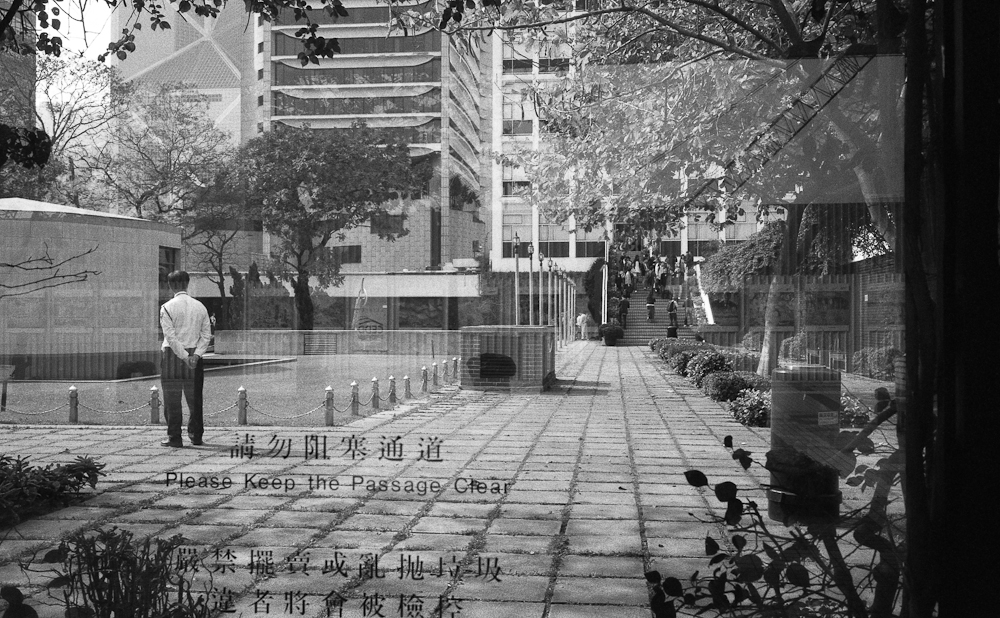
The two images contrast the new with the old, openness with closure. It’s about the interplay between space and memory and how one can change the other through time. Hope to add more photos to this series in future posts.
 Adventures in Photography