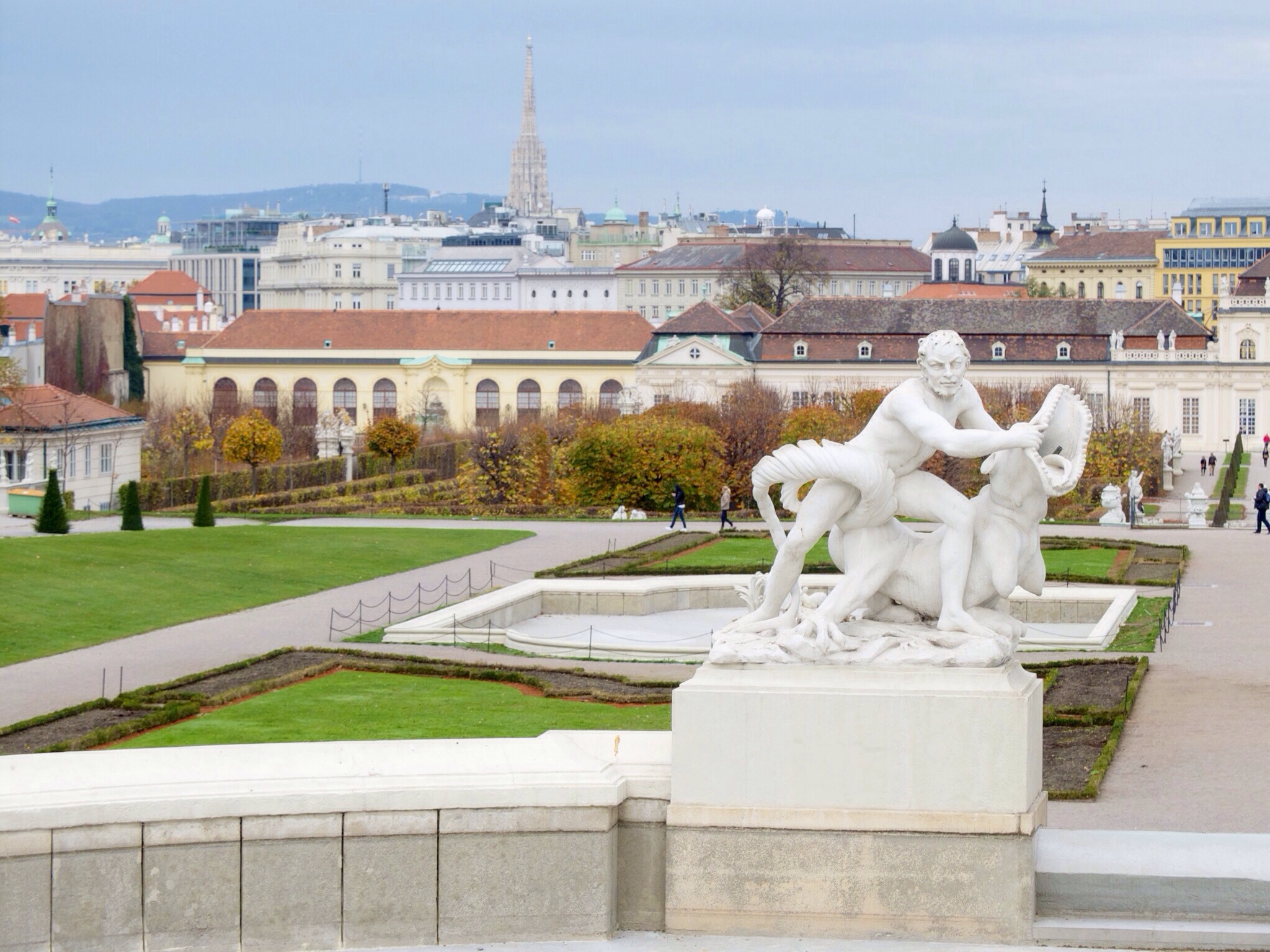
The Belvedere and 21er Haus

This imposing palace once belonged to Prince Eugene of Savoy who helped win the war against the Ottomans. Originally from France, Eugene was rejected by Louis XIV for service in the French army. He eventually moved to Austria to prove his prowess as a military commander.

The palace is now a museum hosting works by famous Austrian artists like Gustav Klimt and Egon Schiele. Austria’s independence was declared on the balcony of the main building.

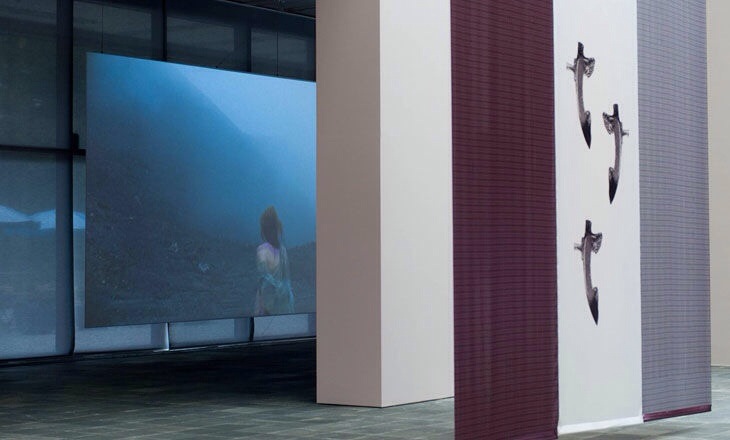
Ten minutes walk south of the palace grounds is the 21er Haus which is the contemporary art wing of the Belvedere. You can purchase a combo ticket which gives you access to both. I saw the Ursula Mayer exhibition “But We Loved Her” which features her enigmatic film Gonda – based on the Ayn Rand play “Ideal”.

Lovely views of Vienna’s city centre can be seen from the hill top Belvedere.
20131211-174318.jpg

20131211-174254.jpg

20131211-174309.jpg

20131211-174326.jpg

20131211-233745.jpg

20131211-233754.jpg

The Albertina Museum in Vienna

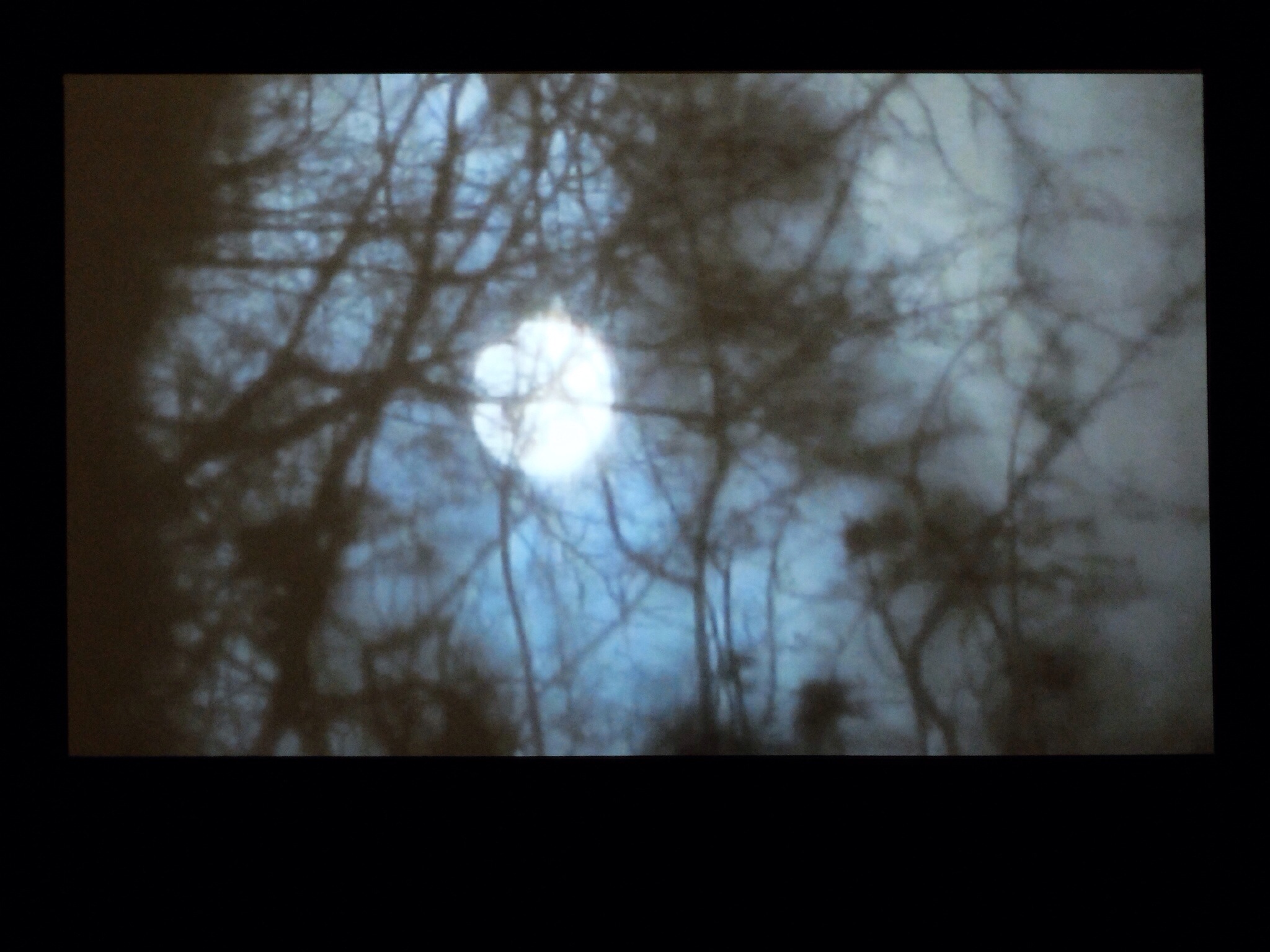
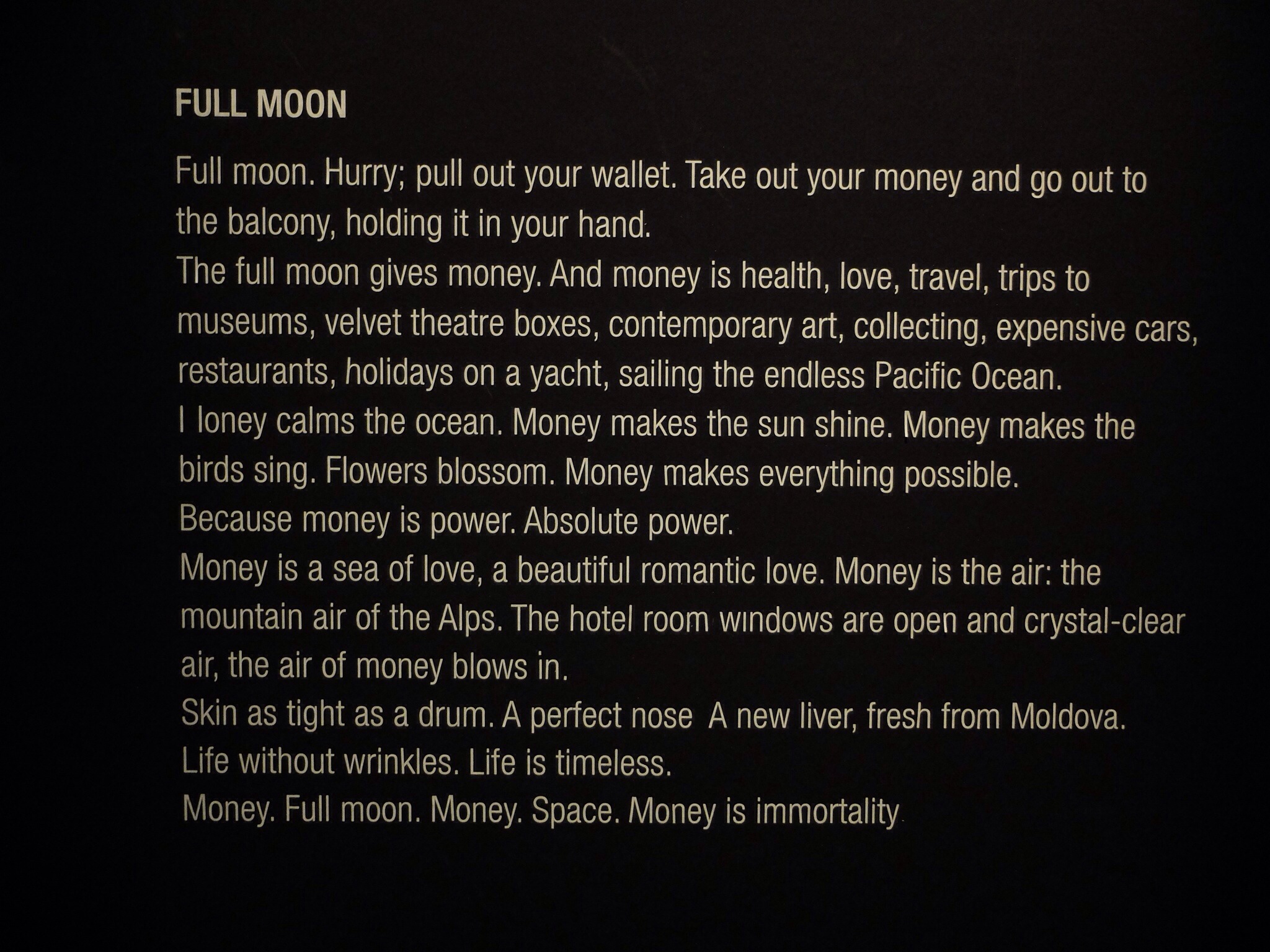
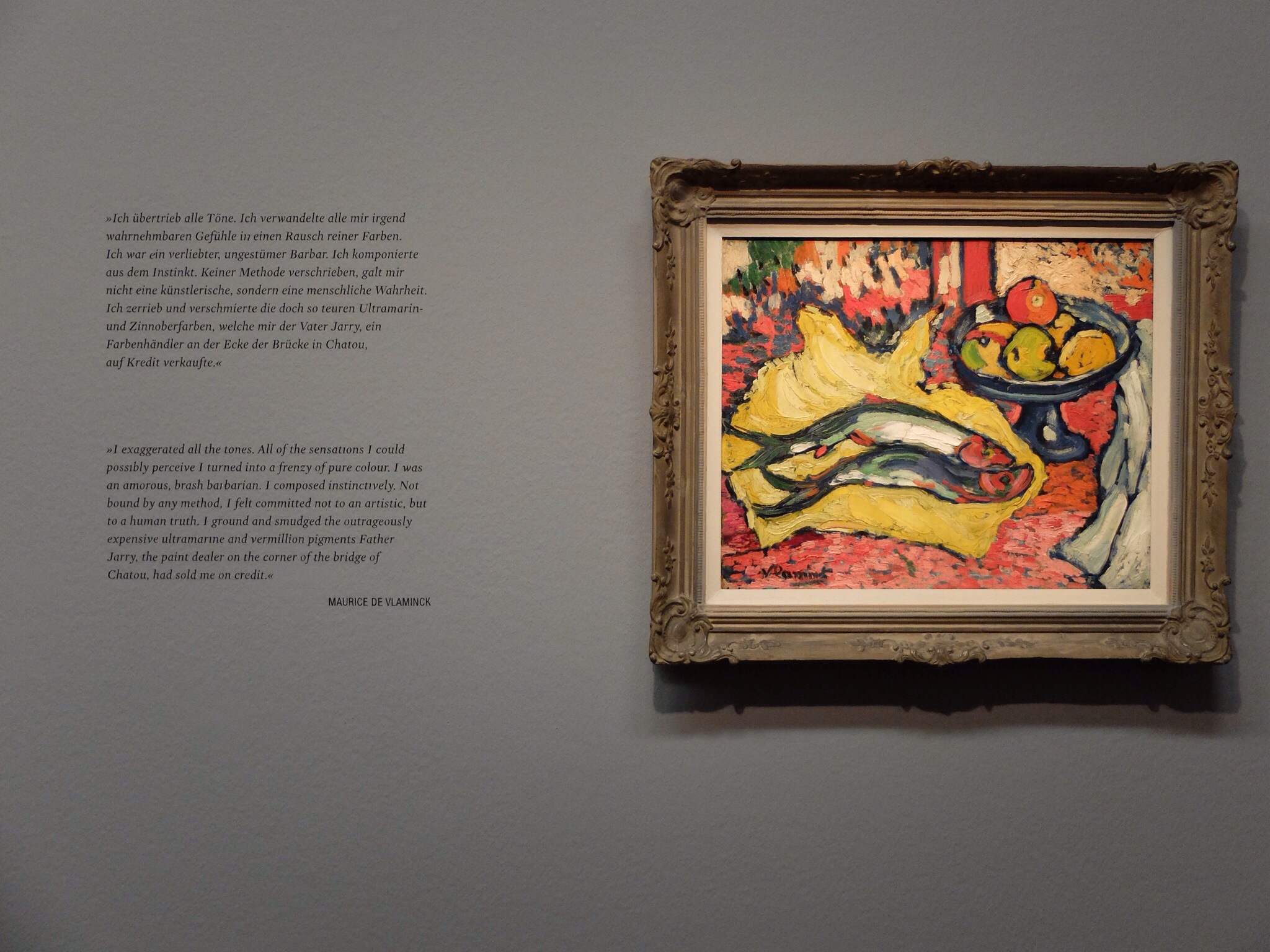
There was a Matisse exhibition at the Albertina while I was in Vienna. My two favourite paintings from the show were by artists other than Matisse. I also saw an interesting video installation called “Full Moon” from the adjacent exhibition on contemporary Russian art. The last photo in this series is from a bookstore near the Albertina. The selection of art reproduction postcards at this store puts any major museum gift shops to shame.

20131209-215526.jpg

20131209-215541.jpg

20131209-215554.jpg

20131209-215608.jpg

20131209-215620.jpg

20131209-215634.jpg

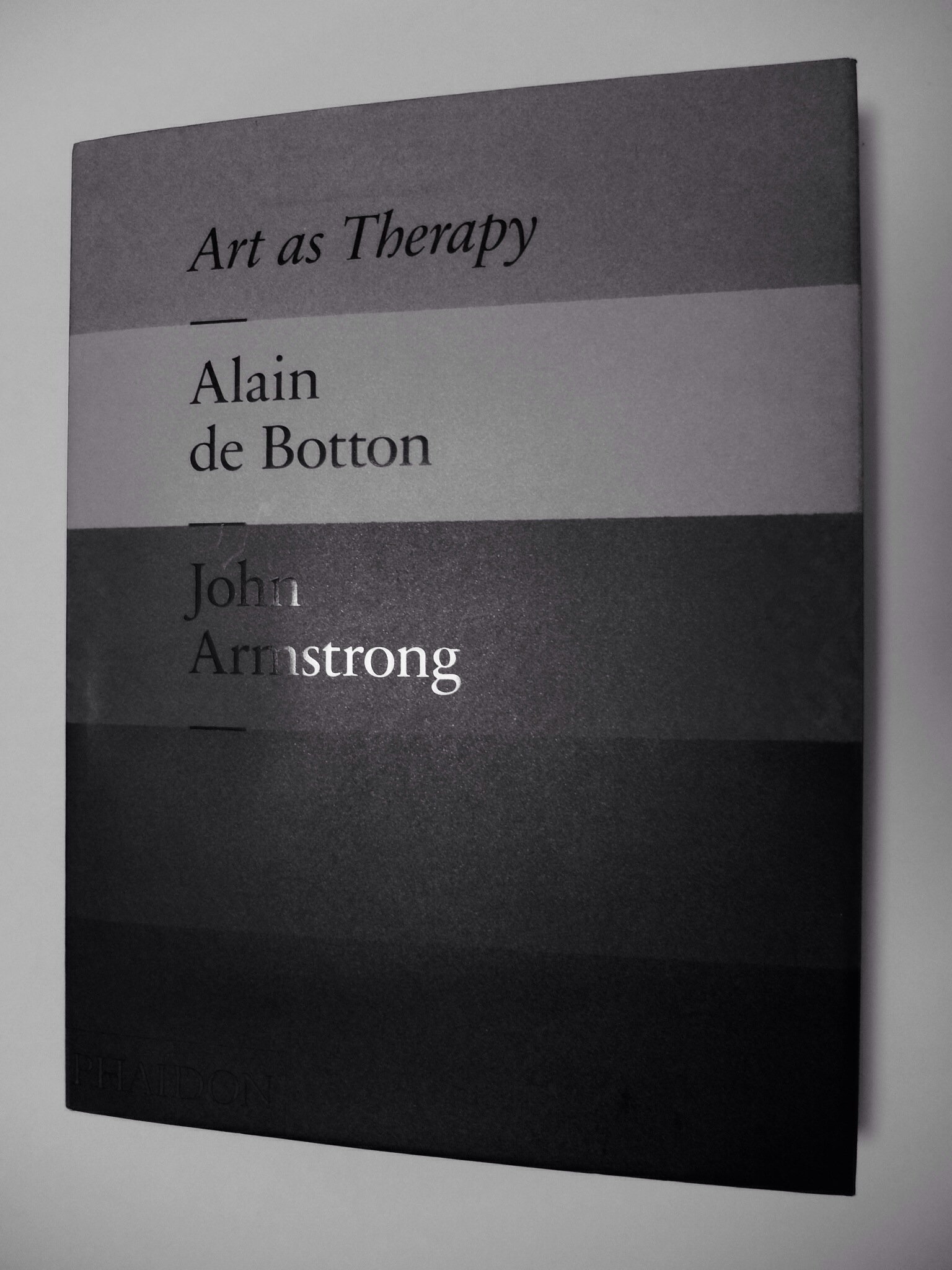
Art As Therapy

20131023-202609.jpg
As with all de Botton books there’s always the compulsion to read it from cover to cover without stopping. Will do a detail review later but here’s a quote for now:

Art can save us time – and save our lives – through opportune and visceral reminders of balance and goodness that we should never presume we know enough about already

Daido Moriyama’s “Labyrinth” published by Aperture

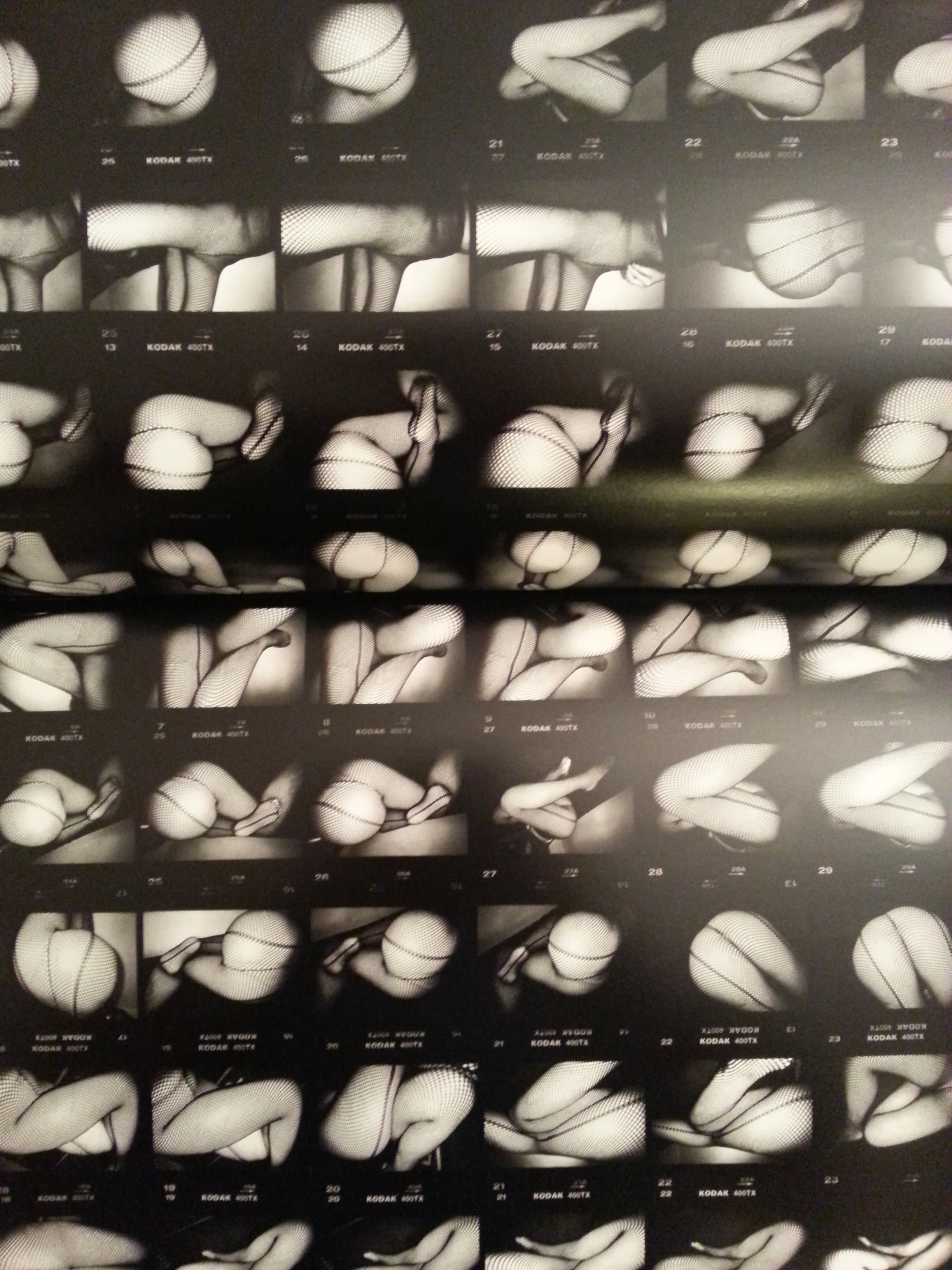
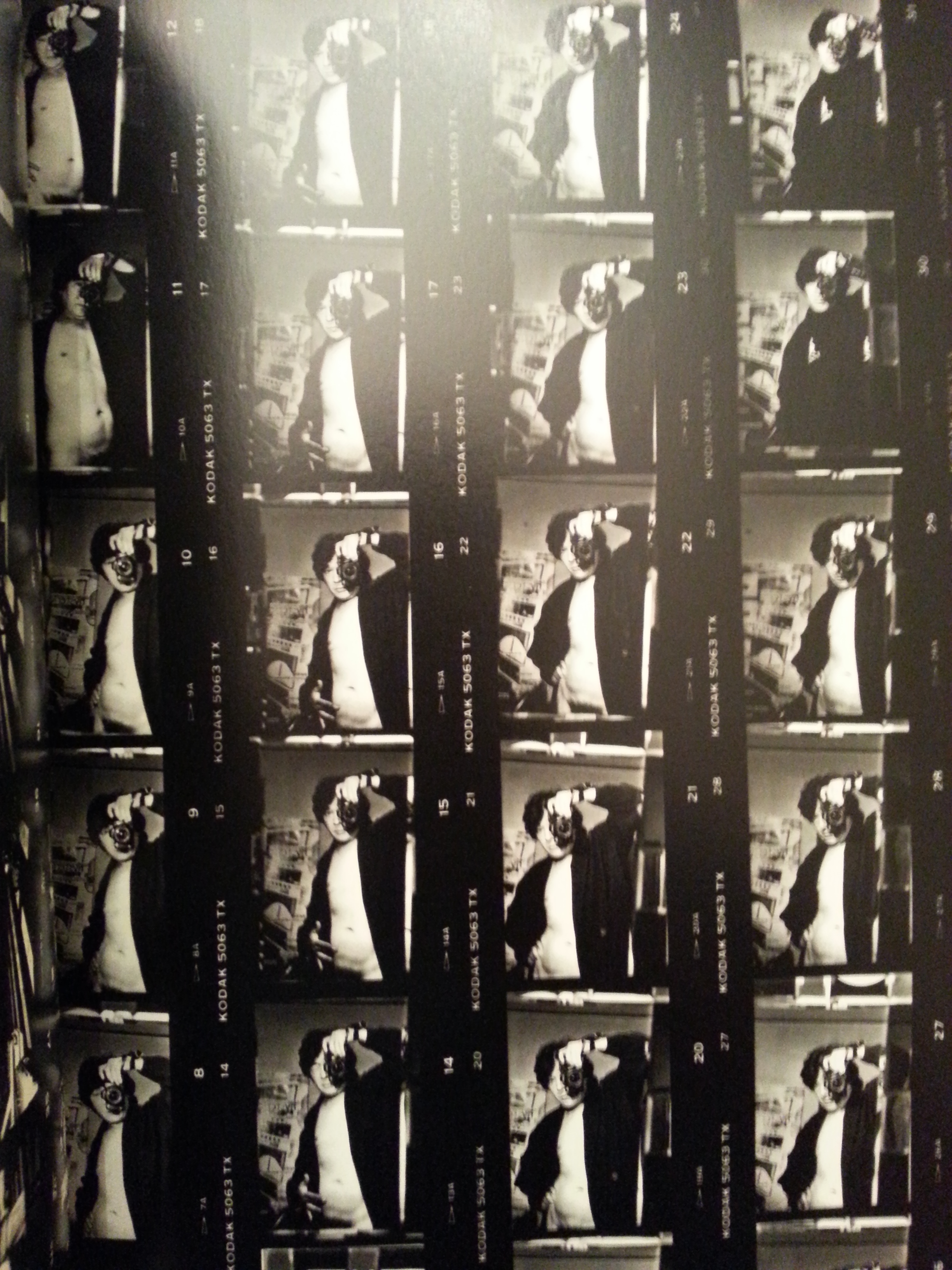
To understand the works of a photographer nothing can be more instructive then looking at their contact sheets. Published in 2012 the book is 304 pages long jam packed with black and white photos. It is evident from just glancing at the book that there is something very territorial and obsessive about Daido’s rhythmic modus operandi. These contact sheets are like universes unto themselves, each frame a little window looking out into bits of the world.

20131014_211114

20131014_210922

There’s a lot to explore in the book and room for many interpretations. The book is one big experiment in composition of repeating subject matters ranging from abstract to documentary. These experiments are so meticulous at times it is nearly impossible to tell the differences between one frame and the next. This is as close to a plastic medium as photography gets: the framing and subjects are constantly being rehashed and reshaped.

20131014_211553

Subject matter is treated democratically with the same attention being paid to discarded rubber gloves as to mesmerising female forms. There are subtle shifts in style between the photos taken in Paris and Tokyo with the former being more formal and the later more dynamic. However, even though the cities maybe different the subject matter remains the same. Proving that you can never really escape yourself.

20131014_211450