Unless I had a tripod, I couldn’t imagine using anything other than the iPhone to record concert video. The audio quality is surprisingly good but the image does get a little shaky after shooting a few songs.
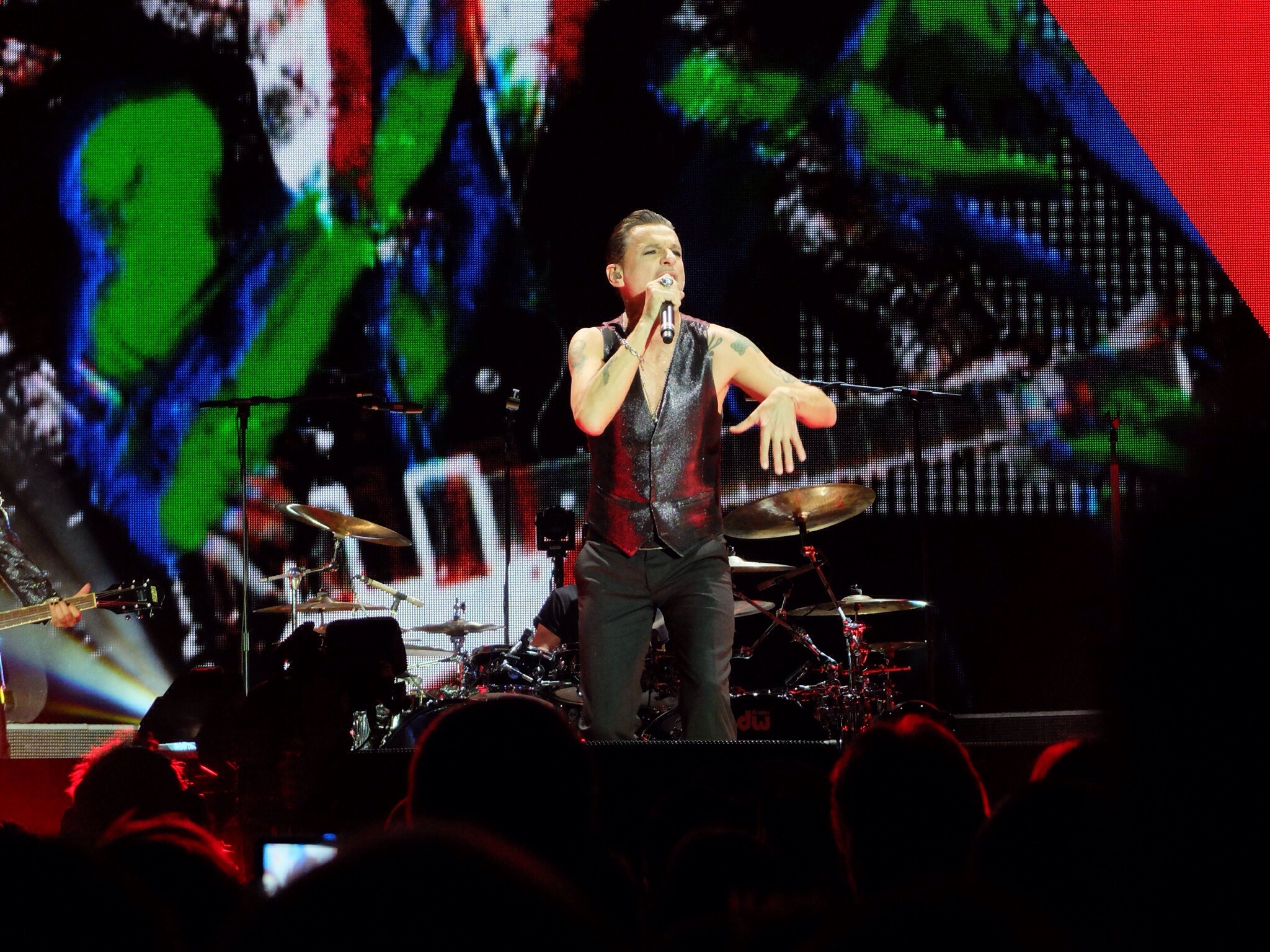
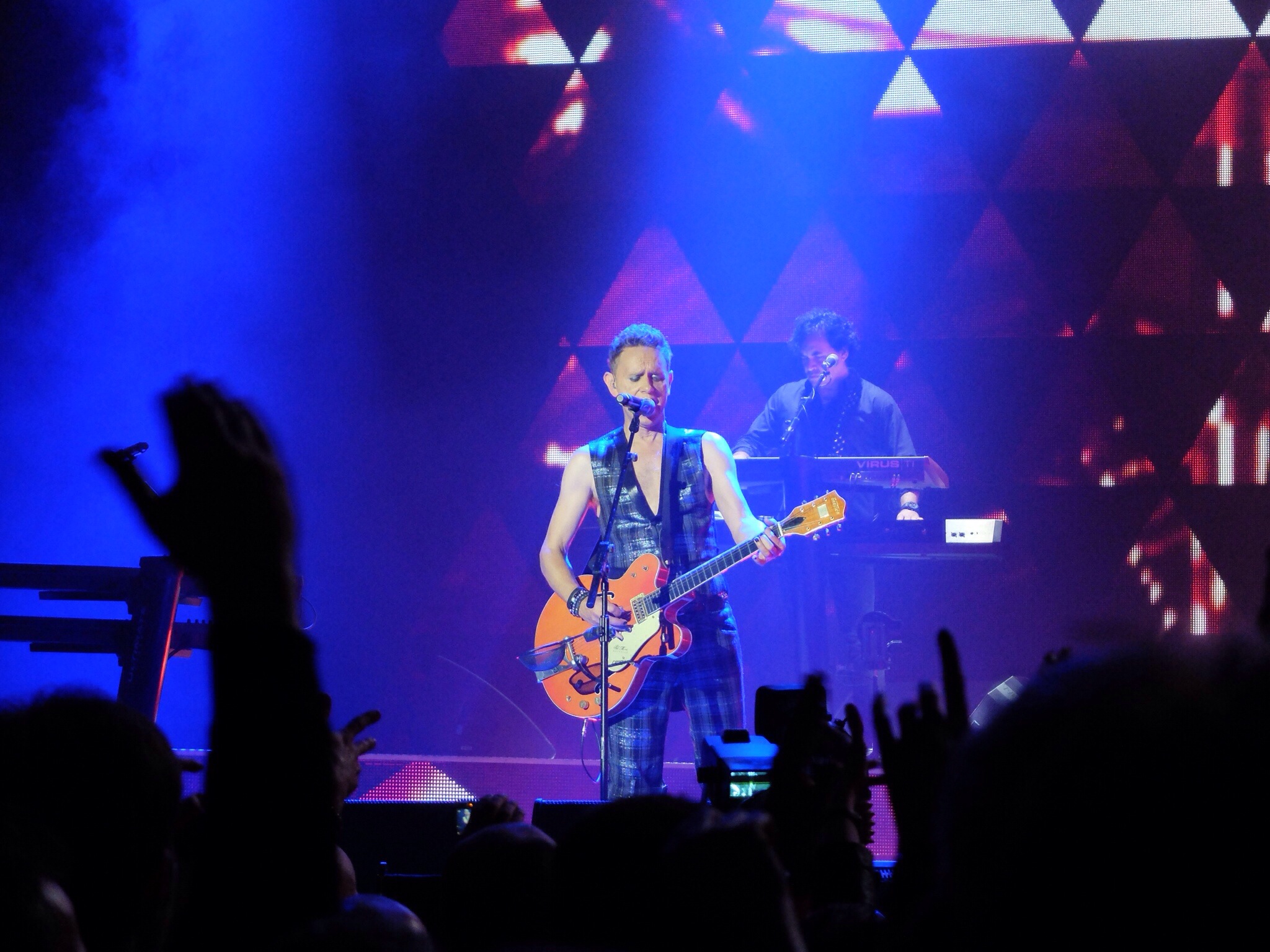
I was a little apprehensive at first to use the Fuji X20 to capture the concert but lugging around the Canon 5D MKII just did not appeal to me. The X20 was small enough so that I could forget about it yet powerful enough to capture some good images at a distance.
After fine tuning the shutter speed I was able to freeze motion quite well. Although not as capable as the 5D MKII for high ISO, the X20 did handle noise exceedingly well. The optical zoom was just enough to cover most of the stage action. You can see my actual distance from the stage in the last photo of the series taken with the iPhone.
Overall, I was pleasantly surprised at how well the Fuji X20 performed in a concert environment. However, for video the iPhone was definitely the go to tool. But more about that in the next post.
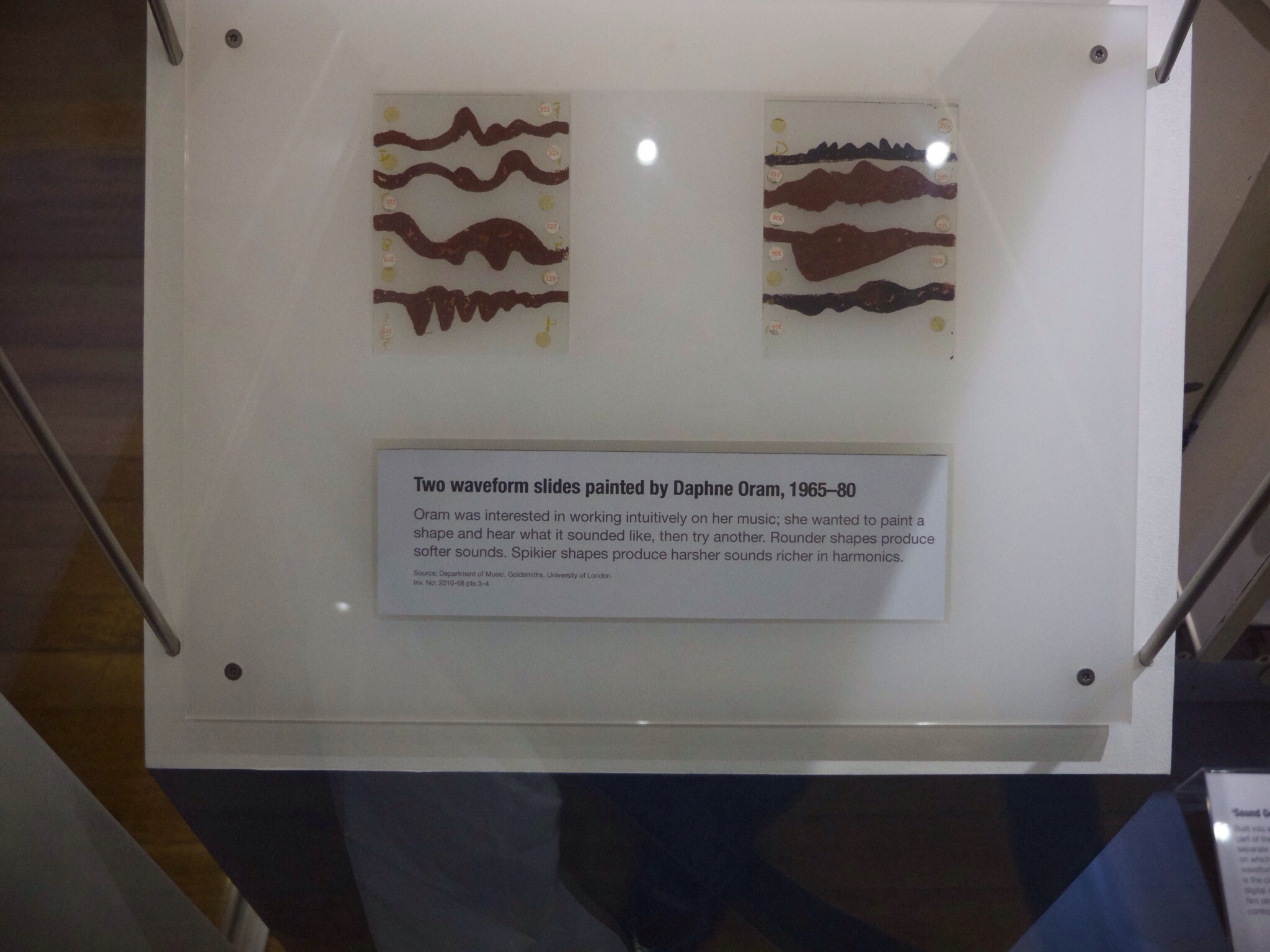
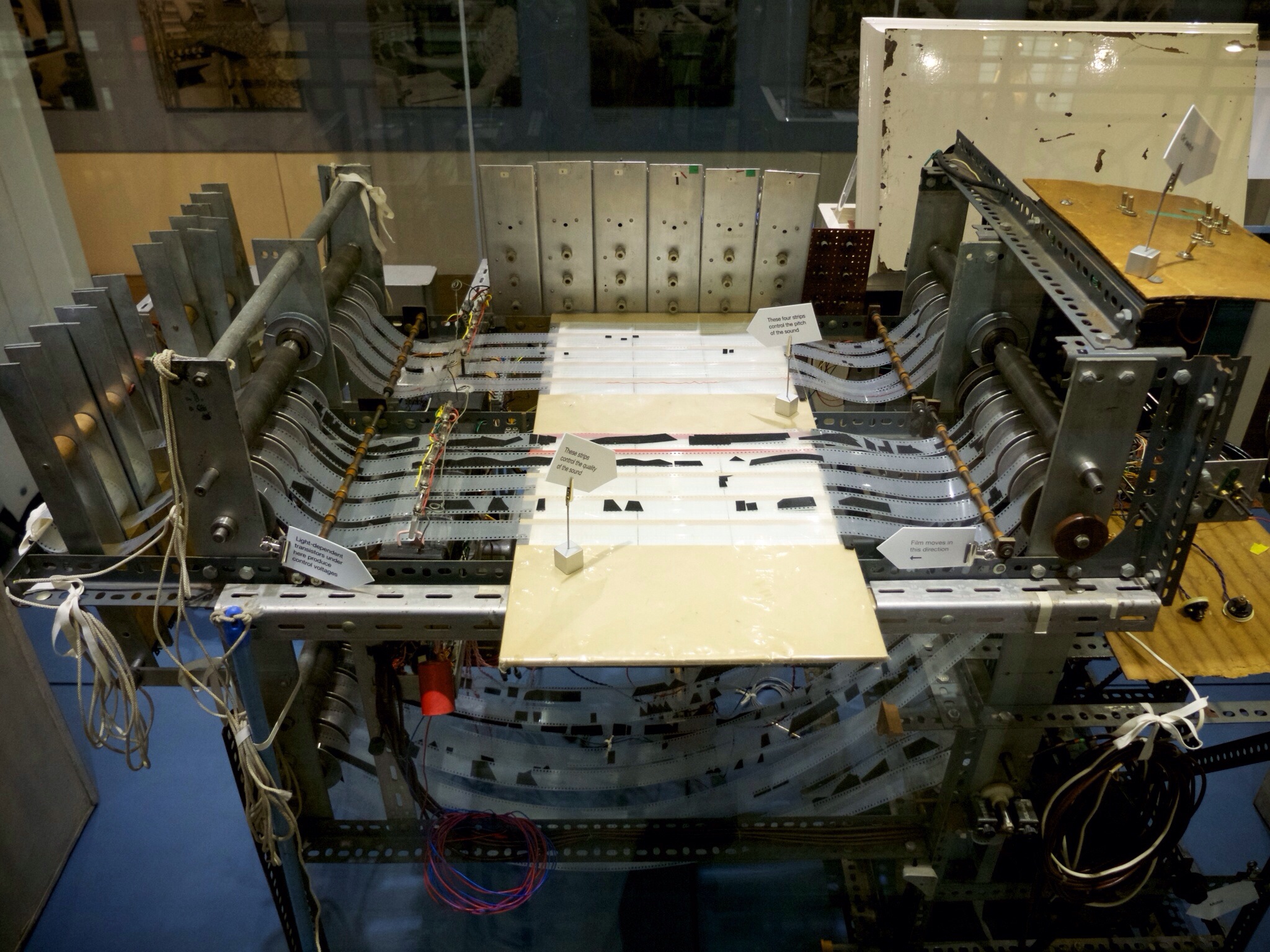
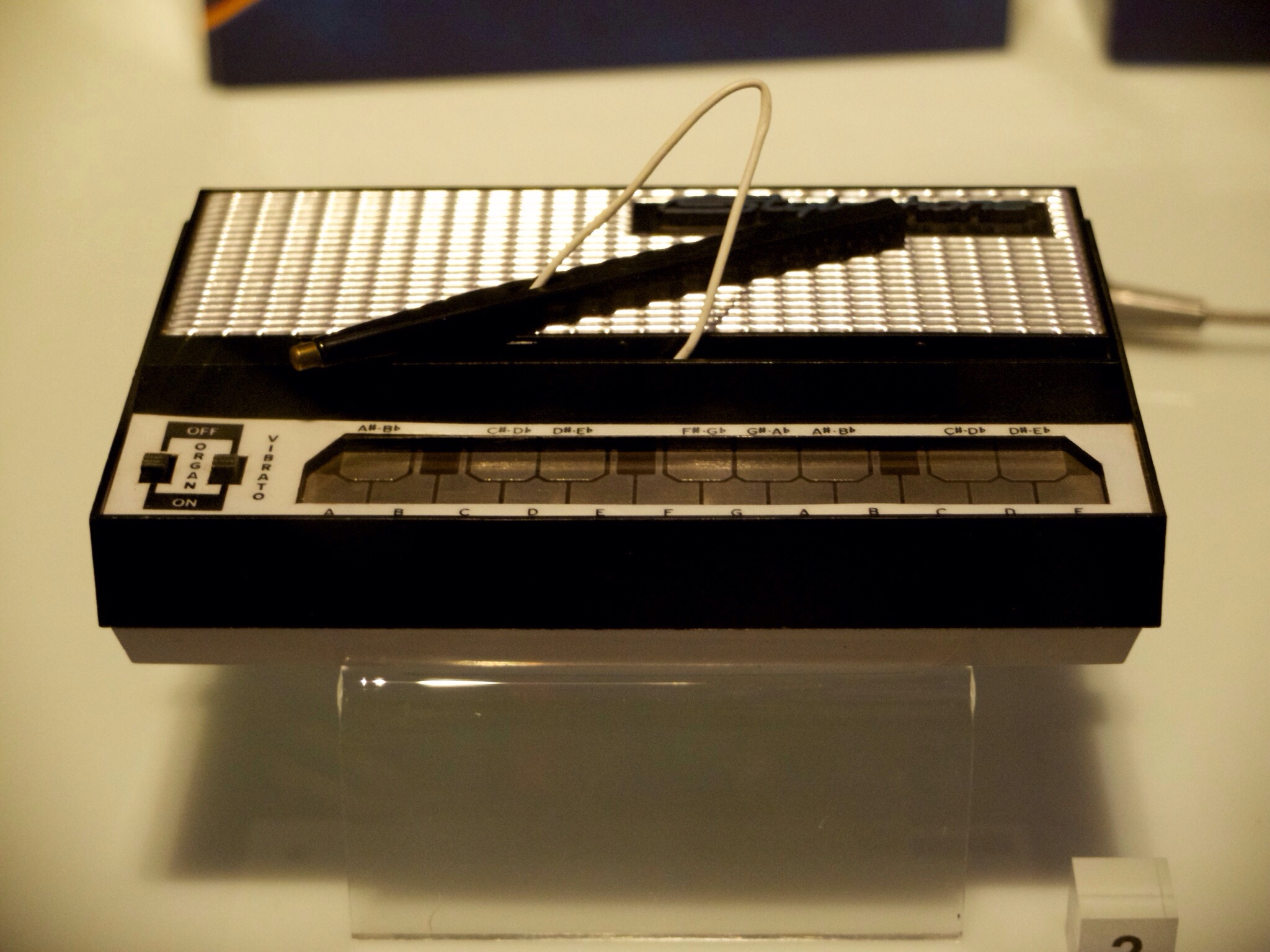
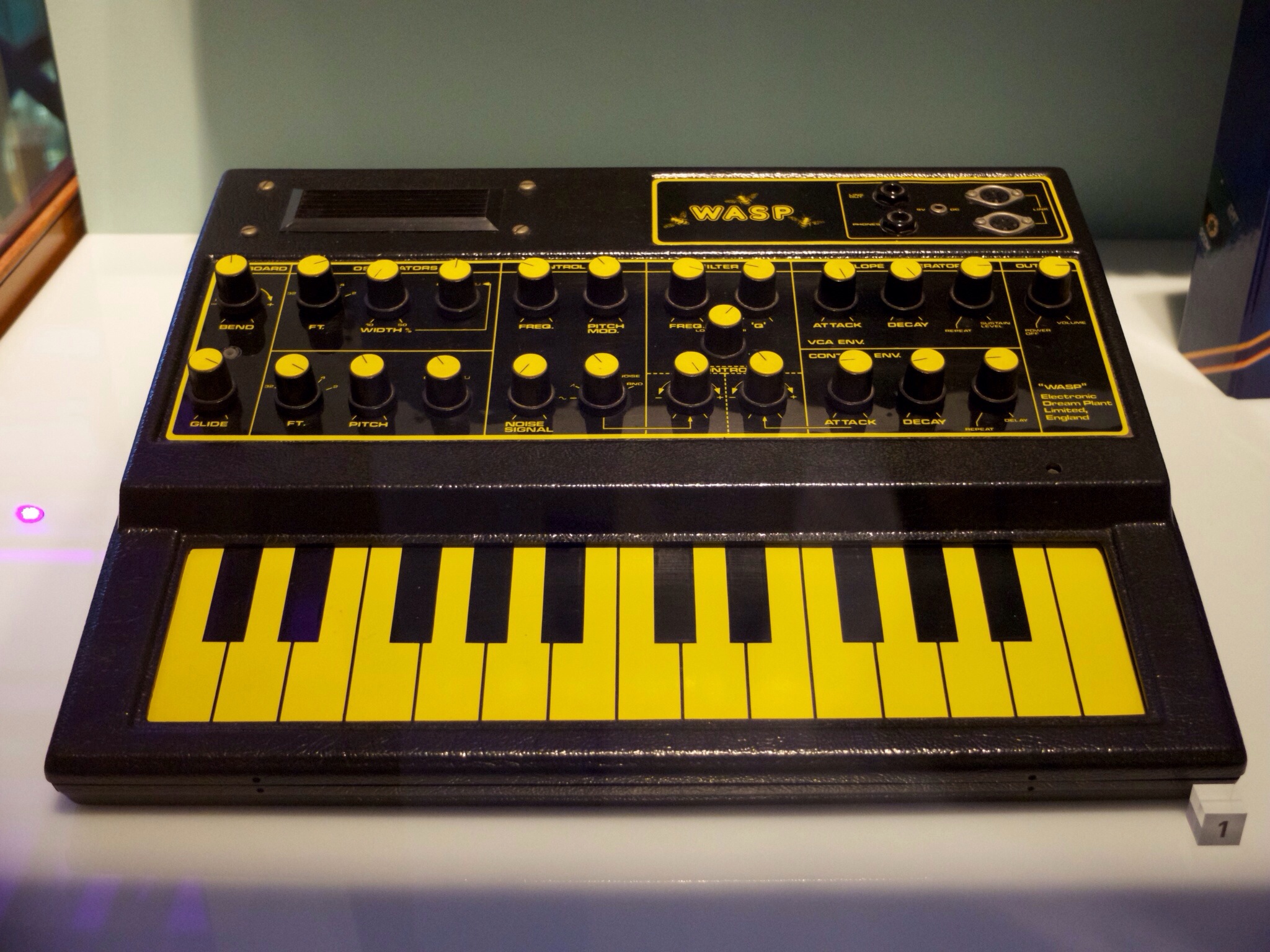
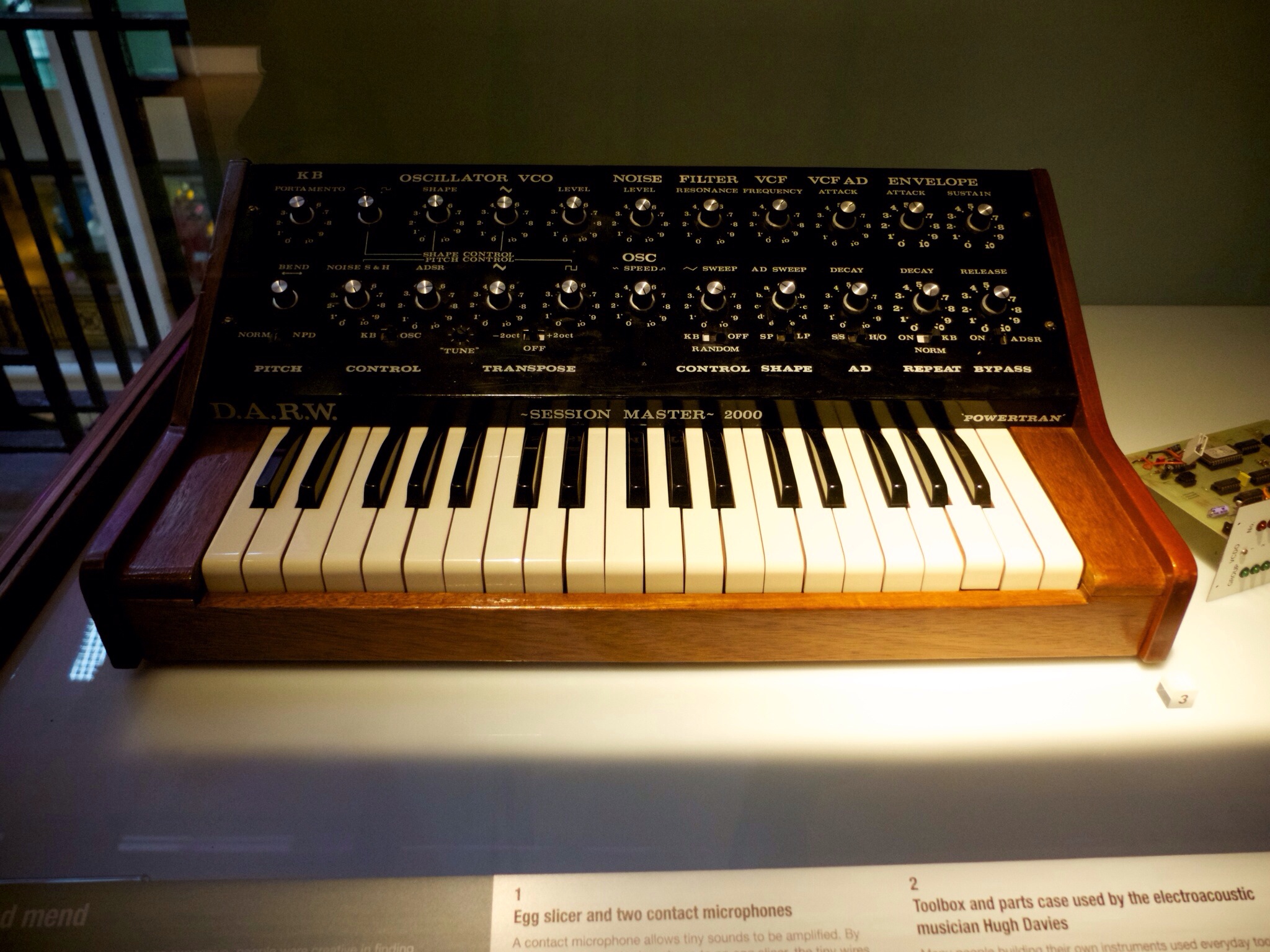
Exhibition on early electronic musical instruments is also showing at the Science Museum in London. Shapes painted on to film strips are translated into sounds by light sensors. I also liked the LED circle sculpture which poses the question: “If you were given a loop of energy, what would you do with it?”
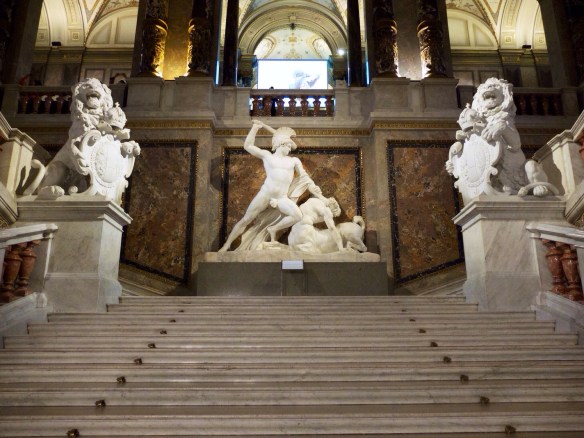
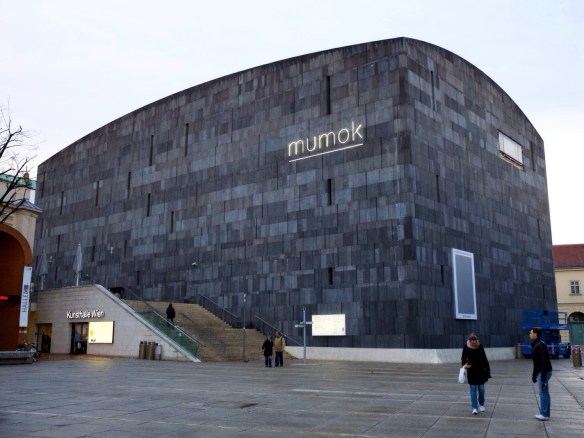
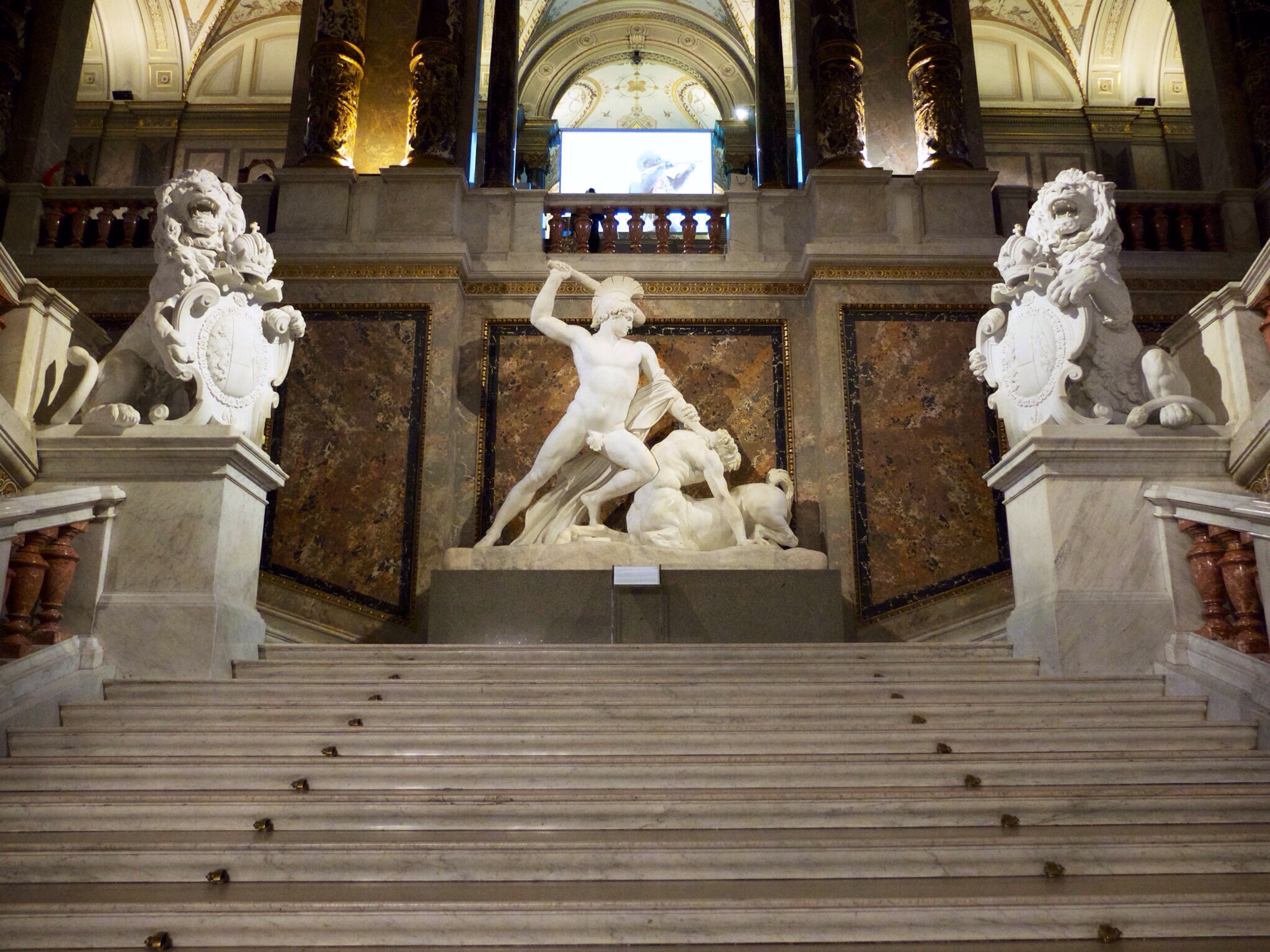
There are something like 70 museums located in the Museum Quarter. I spent a couple days exploring The Leopold, Mumok and Kunsthistorisches, where they were showing the Lucien Freud massive figurative oil paintings.
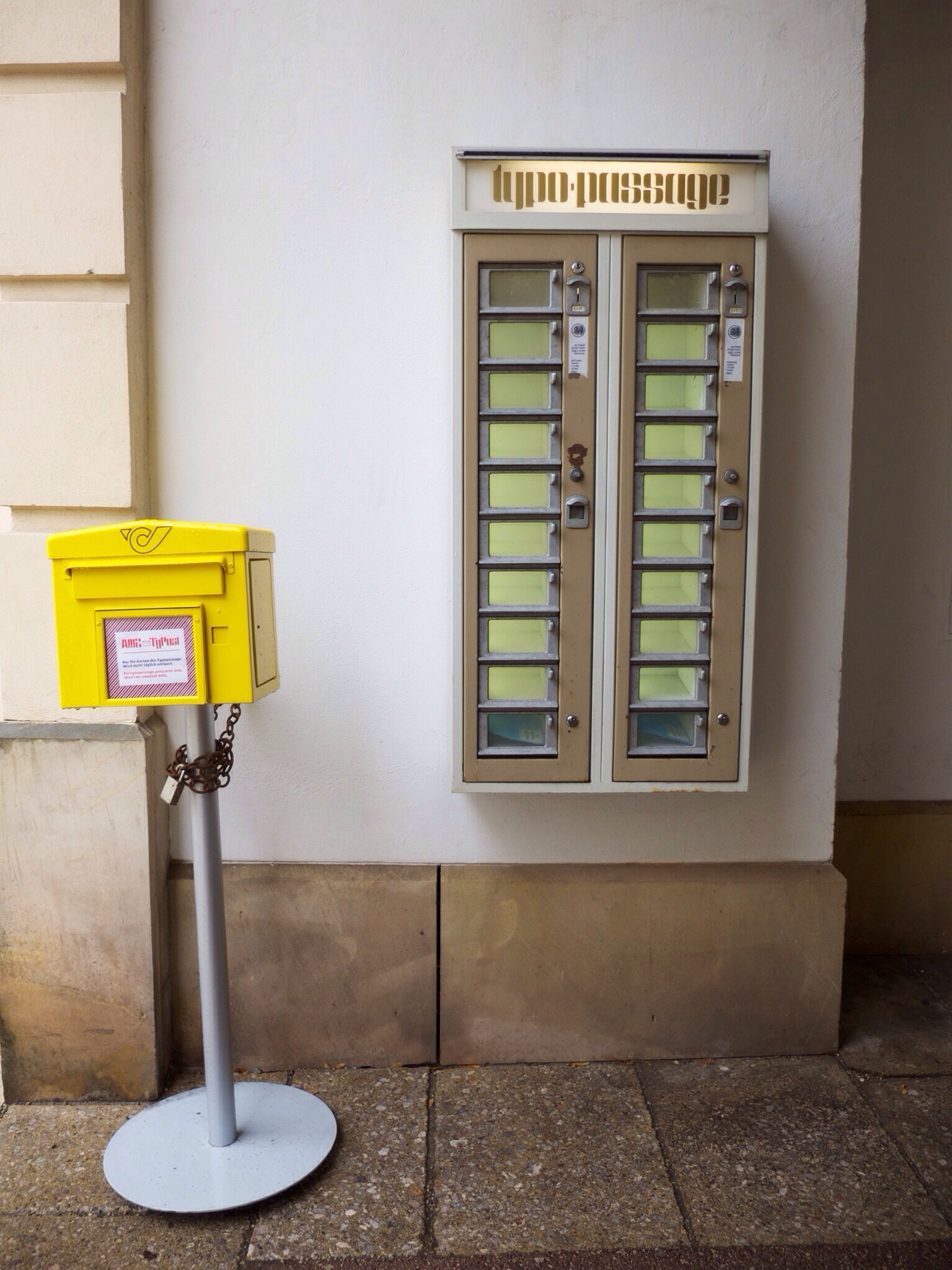
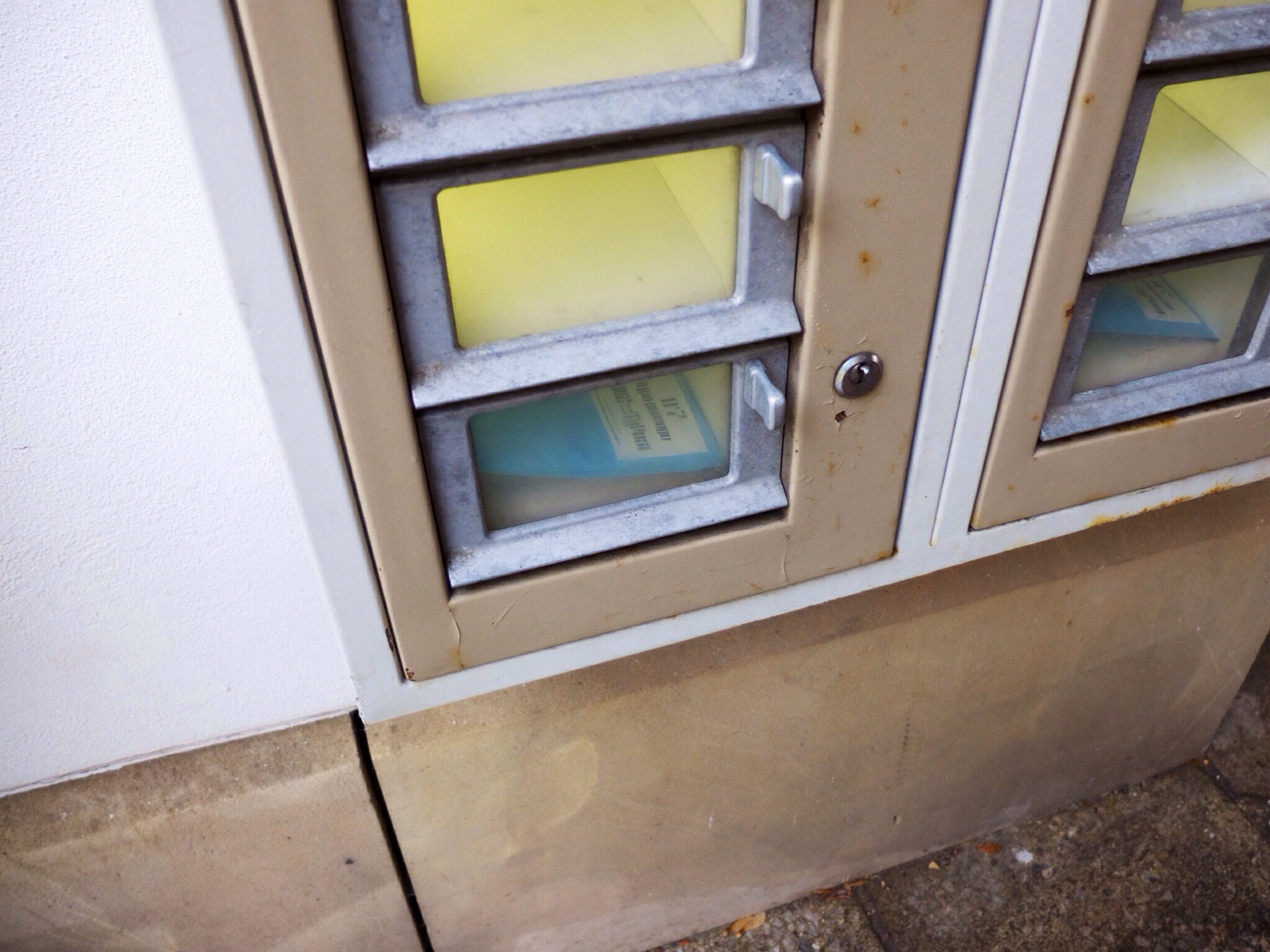
Also saw some more low key exhibitions like the Typo Passage and paid €2 for a pack of dairy company graphic design inspired postcards. I didn’t send the postcards on the spot as there was sufficient postage only to send to inside Austria.
One of my favourite museums is in the Innere Stadt 1st district of Vienna. The Museum of Applied Arts or MAK has an amazing permanent display called Wien 1900 which showcases beautifully designed everyday objects from the turn of the 20th century.
There were also two interesting exhibits on interactive fabrics used to create music; and 100 best posters from Germany, Austria and Switzerland. Best thing about MAK is that it’s totally free and opened late in the evening.
Museum Quarter’s Typo Passage
It is widely known that Viennese love music so it’s not surprising to find that there are many record stores in the city dedicated to all genres of music. I spent several nights gold digging after my classes and brought home a few good blues albums. Best of all I was able to discover some new music at a record store called Transformer. It’s a pop up record store at the Transporter bar in Vienna. This place has the best coffee and also a Ping Pong table for regular tournaments.
This imposing palace once belonged to Prince Eugene of Savoy who helped win the war against the Ottomans. Originally from France, Eugene was rejected by Louis XIV for service in the French army. He eventually moved to Austria to prove his prowess as a military commander.
The palace is now a museum hosting works by famous Austrian artists like Gustav Klimt and Egon Schiele. Austria’s independence was declared on the balcony of the main building.
Ten minutes walk south of the palace grounds is the 21er Haus which is the contemporary art wing of the Belvedere. You can purchase a combo ticket which gives you access to both. I saw the Ursula Mayer exhibition “But We Loved Her” which features her enigmatic film Gonda – based on the Ayn Rand play “Ideal”.
Lovely views of Vienna’s city centre can be seen from the hill top Belvedere.